How to Build a Slot Game in Unity – Step-by-Step Guide

· 6 min read
Author - Gamix Labs

If you're thinking of building a slot game, Unity is one of the best tools to start with. Its user-friendly interface, rich asset store, and flexible scripting system make it ideal for quick prototypes and polished releases alike.

At Gamix Labs, we use Unity to rapidly test and iterate slot mechanics, art styles, and UI flows. Whether you're a beginner or a developer looking to expand your skills, this guide will walk you through creating a simple slot game—from concept to first spin.

How to Build a Slot Game in Unity – Step-by-Step Guide

Setting Up Your Project in Unity

🔹 Installing Unity and Required Packages

Start by downloading and installing Unity Hub. Use a stable Long-Term Support (LTS) version like Unity 2022.3. Create a new 2D project. To enhance animations and create seamless transitions during gameplay, consider adding the DOTween plugin, which is available through the Unity Asset Store.

🔹 Creating Scene, UI Canvas & Basic Layout

Once inside your project:

  • Begin by placing a Canvas in your scene and configuring it to operate in Screen Space – Camera mode.
  • Place a panel to act as your game's background.
  • Add buttons for "Spin", "Bet", and display areas for "Balance" and "Win".
  • Set up three or more placeholder images in a horizontal layout to represent the reels.

Make sure your UI elements are properly anchored so they scale across devices.


Designing Your Reels, Symbols, and Spin Logic

🔹 Preparing Reel Images and Symbol Assets

Create a set of simple symbols like fruits, gems, or themed icons. Import your PNG assets into Unity and assign them as Sprites (2D and UI). Arrange them in a resources folder for easy access through scripts.

🔹 Scripting Spin Animation and Randomness

Create a SpinController.cs script. Inside it:

  • Use Random.Range() to select symbols.
  • Create a coroutine that scrolls symbols visually (loop through sprite images quickly).
  • Animate the stop with DOTween for a smooth finish.

Here's a basic example:

public void SpinReel(Image reelImage) {
    int index = Random.Range(0, symbols.Length);
    reelImage.sprite = symbols[index];
}

Extend this for all reels. Add staggered stopping for dramatic tension.


Implementing Payout Logic and Win Conditions

🔹 Defining Paylines and Symbol Combinations

Start with a simple single payline—the middle row.

Example winning combos:

CombinationPayout
3 Crowns50x
3 Cherries10x
2 Bells2x

Use a dictionary to store payout rules and check results after each spin.

🔹 Calculating Wins and Updating Balance

Keep a balance tracker. Deduct bet on spin start; reward if won.

if (symbols[0] == symbols[1] && symbols[1] == symbols[2]) {
    int payout = payoutTable[symbols[0].name] * currentBet;
    balance += payout;
}

Update UI text to show new balances and winnings.


Adding Visual Feedback and UI Polishing

🔹 Animations, Win Effects & Buttons

Use DOTween or Animator to:

  • Glow or shake winning symbols
  • Fire confetti or coins for big wins
  • Scale buttons when pressed

This increases player excitement & retention.

🔹 Sound Design & Feedback

Add sound effects such as:

  • Reel Spin
  • Reel Stop
  • Win Jingle
  • Button Clicks

Even basic audio makes spins more immersive.


Playtesting & Debugging in Unity Editor

Use the Unity editor to test various spin scenarios.

Common issues to watch for:

  • Reels not updating correctly
  • Stopping too early or too late
  • Incorrect balance calculations
  • UI layout breaking on different resolutions

Exporting to WebGL or Mobile

When ready to share your prototype:

  1. File → Build Settings
  2. Select target platform (WebGL, Android, or iOS)
  3. Adjust compression & resolution settings
  4. Test on real devices if possible

Ensure UI works well on both portrait and landscape.


Common Pitfalls & Beginner Mistakes

Most tutorials ignore critical real-world mechanics:

❌ Basic randomness only — no RTP control
❌ Weak UI/UX polish
❌ No handling for invalid or interrupted spin states

For real slot games, implement:

  • Weighted RNG for realistic Return to Player (RTP)
  • Smooth, polished UI with feedback loops
  • Error and edge case handling

Gamix Labs Tips for Scaling to a Real Slot Game

To evolve from prototype to production:

✅ Modular reel & reward systems
✅ User accounts & backend coin syncing
✅ Analytics & player tracking
✅ Daily rewards, missions, events
✅ Mobile optimization & asset compression

This is how real slot games retain players.


Conclusion

By following this guide, you've created a playable, visual, and functional slot game—all in Unity. It’s a solid first step. From here, you can expand on visuals, add depth with features like free spins, jackpots, social elements, or even Web3 integrations.

At Gamix Labs, we help turn prototypes like this into high-performing slot games—polished, optimized, and compliant with casino standards. Whether you're testing an idea or planning a full-scale release, the tools and approach matter.

And now, you’ve got both.

Frequently Asked Questions

Do I need to code everything in Unity?

No. Unity's drag-and-drop tools handle layout, but logic like spinning and payouts requires simple C# scripting.

Can I add more reels later?

Yes. Just update your layout and script logic to support 5 reels instead of 3.

Can I monetize this prototype?

You'll need proper legal compliance, backend security, and platform licenses to go live commercially.

Is Unity free to use?

Unity is free for personal use. For commercial projects exceeding revenue thresholds, paid plans apply.

What if I want to add blockchain or wallet features later?

You can integrate Web3 SDKs like WalletConnect or Unity WebGL wallet wrappers—our Gamix Labs team specializes in such hybrid builds.

The Evolution of Slot Games: The History and Rise of Modern Slot Games

· 5 min read
Author - Gamix Labs

Slot games have evolved dramatically—from simple lever-pulled machines to visually rich, highly interactive digital experiences. Today, with high-resolution graphics, social features, and a mobile-first design, slots have become a cornerstone of global entertainment.

The Evolution of Slot Games: The History and Rise of Modern Slot Games

At GamixLabs, we believe understanding this journey inspires better design and technological innovation in modern games. In this article, we'll walk through milestone moments and explain why today’s slots are more engaging than ever.

The Birth of the Mechanical Slot Machine

Charles Fey made the Liberty Bell in 1895. It was the first slot machine that paid out coins automatically. It had three reels and five symbols, like bells and horseshoes. This simple machine started what would become the slot game industry.

These early machines, with their iconic pull lever, became known as “one-armed bandits.” Players joked about how the lever, acting like a single arm, could slyly keep coins—ushering in both excitement and a touch of playful suspense.

The Electromechanical Era: A Turning Point

The 1960s brought a major shift with Bally’s Money Honey, an electro-mechanical slot that eliminated the need for springs and gears. This new approach allowed for faster gameplay and larger automated payouts. Innovations like bottomless hoppers enabled machines to hold significantly more coins, turning slots from casual novelties into powerful revenue centers.


The Rise of Video Slot Machines

The introduction of video technology in the 1980s marked a major leap forward, propelling slot machines into a new age of digital gameplay and visual innovation. Physical reels were replaced by digital displays powered by Random Number Generators (RNGs), allowing for dynamic visuals, multiple pay-lines, and themed experiences. Bonus rounds, animations, and immersive audio became possible, transforming slots into mini-entertainment systems in their own right.

The Digital Boom: Slot Games Go Online

By the late 1990s, widespread internet access enabled players to enjoy slots from home. Virtual casinos quickly emerged, offering a broader variety of themes and gameplay styles than ever before. Online slot platforms grew by leaps and bounds, integrating secure payments, live updates, and global distribution—ushering in globalization for the slot industry.


Mobile Revolution: Slots in Your Pocket

The arrival of smartphones ushered in a mobile-centric era for slot gaming. Game developers transitioned from Flash to HTML5, enabling smoother, faster-loading slot games that run seamlessly on phones, tablets, and desktops alike. Features like push notifications, sync capabilities, and social integration turned mobile slots into persistent, player-driven ecosystems.

Key Features Modern Players Expect

Today’s slot players demand fast loading, crisp visuals, engaging audio, interactive bonus mechanics, and seamless cross-device experiences. At GamixLabs, we build slots that not only meet these expectations but set a higher standard—focusing equally on performance, design, and immersive storytelling.


The Role of Art and Animation in Slot Evolution

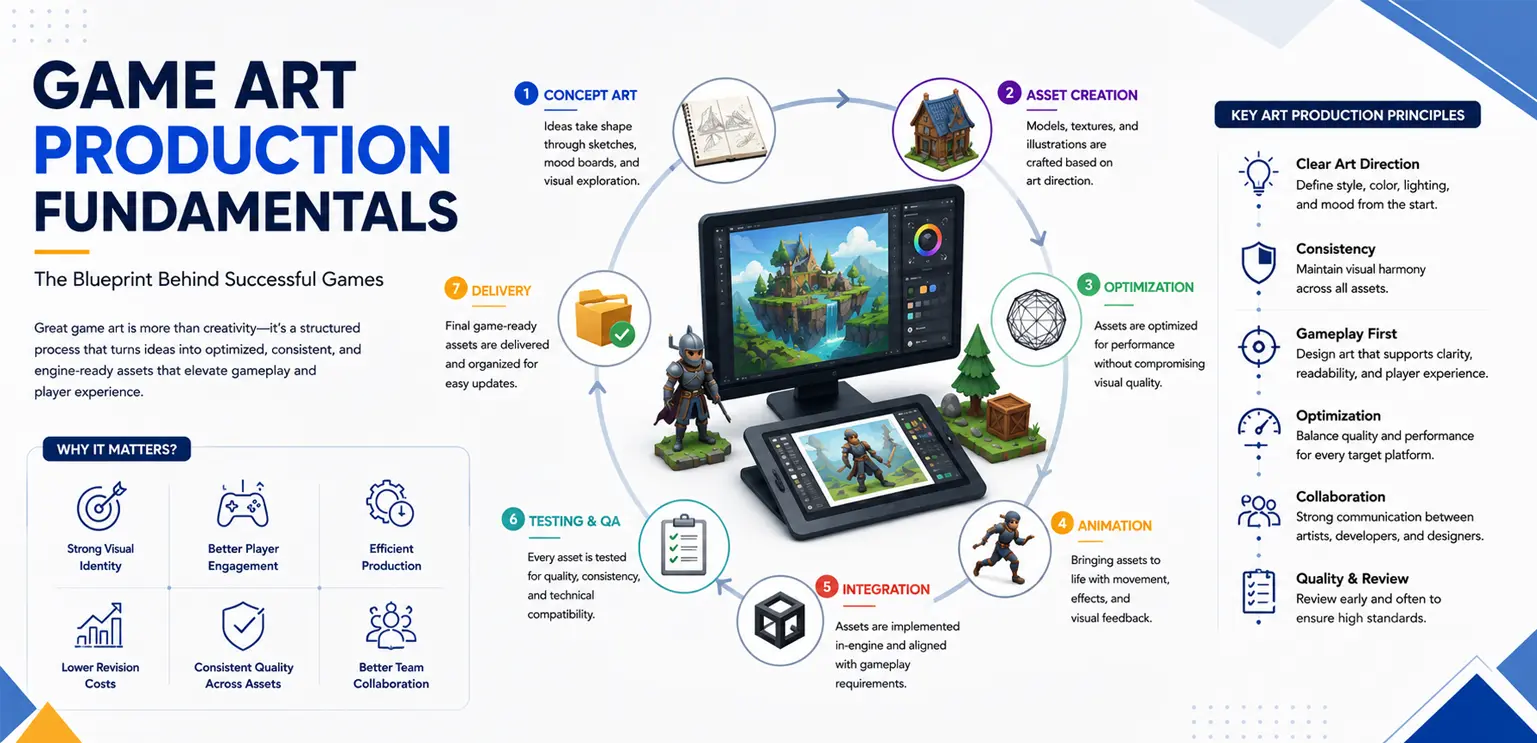
The visual experience now shapes every spin. From realistic textures to cinematic win sequences, art and animation drive emotional engagement. At GamixLabs, our design approach blends thematic coherence, motion quality, and mobile optimization to create games that feel alive and rewarding.

Gamification & Social Features: Enhancing the Experience

Modern slots are more than luck-based spins; they’re mini game ecosystems. Gamification elements—like XP, missions, and achievements—motivate deeper engagement, while social components (leaderboards, tournaments, sharing) build community. Together, they establish ongoing player investment beyond basic gameplay.


What’s Next? The Future of Slot Games

Slot games are entering an era defined by personalization, immersion, and cutting-edge technology:

  • VR & AR: Virtual environments where players can explore slot worlds rather than just spin.
  • Blockchain & NFTs: Unique digital assets and provably fair mechanics.
  • Adaptive AI: Personalized game experiences tailored to player preferences and behaviors.

GamixLabs is already exploring these frontiers, blending storytelling, technology, and social design to redefine what slots can be.

GamixLabs’ Vision for Next-Gen Slots

At GamixLabs, creativity and technology come together. We design slot experiences that evolve alongside players—adaptive, culturally nuanced, and emotionally resonant. Our roadmap includes integrated gamification, AI-driven storytelling, art cohesion, and multi-platform connectivity.


Conclusion

From the pull of the Liberty Bell to today’s immersive, socially connected, and tech-driven experiences, slot games have evolved at every turn. They’re no longer just a form of entertainment—they’ve become dynamic platforms for storytelling, innovation, and engaging global audiences.

At GamixLabs, we honor this legacy while pushing boundaries—creating slot games that feel timeless, yet ahead of their time. The reels keep turning, and the story isn’t over yet.

Frequently Asked Questions

What’s the story behind the nickname “one-armed bandit” for early slot machines?

Because players pulled a lever (the “arm”) and often lost money—hence, the “bandit” part!

When did slot games go digital?

During the 1990s and early 2000s, slot games made their way onto desktop computers, marking the beginning of the online slot revolution.

What are gamified slot features?

Gamification includes elements like XP, missions, leaderboards, and unlockable rewards to keep players engaged.

Are mobile slots different from desktop slots?

Yes—mobile slots are optimized for smaller screens, faster loading, and touch interaction.

Why do themes matter in slot games?

Themes help players connect emotionally with the game and keep them entertained beyond just spinning.

How has GamixLabs contributed to modern slot design?

We create visually rich, technically optimized slots that balance gameplay with narrative and interactivity.

The Rise of Crypto Casinos & Future of Web3 Gaming

· 5 min read
Author - Gamix Labs

Crypto casinos are no longer a niche fad—they’ve become a powerful force in gaming. In 2024, crypto gaming platforms generated a staggering $81.4 billion in Gross Gaming Revenue (GGR)—a five-fold surge compared to their 2022 earnings. This explosive growth is driven by players’ demand for fast payouts, privacy, and provably fair systems. As these platforms grow, they’re reshaping how digital wagering is designed, played, and regulated, especially in emerging mobile-first markets with limited traditional banking access.

The Rise of Crypto Casinos and the Future of Decentralized Gaming

At GamixLabs, we’re tracking this transformation closely. In this article, we'll map out the rise, benefits, challenges, and future of decentralized gaming so you can design better, safer, and more ethical casinos in this new era.


What Makes a Crypto Casino Truly Decentralized?

Crypto casinos are built on blockchain and Web3 technologies, offering decentralized, transparent, and user-controlled experiences.
Key defining features include:

  • Smart contract–based game logic for transparent fairness
  • Wallet-based accounts with minimal KYC
  • Fast crypto deposits and withdrawals
  • Token ecosystems supporting loyalty and rewards

Unlike fiat casinos, these platforms reduce cost and friction while boosting trust and autonomy.


Why Both Players and Developers Prefer Crypto Platforms

🔹 For Players

  • Anonymity and minimal identity checks in restricted regions
  • Instant transactions without banking delays or fees
  • Verifiable fairness—players can audit every spin

🔹 For Developers

  • Lower operational costs without traditional payment gateways
  • Access to global markets with limited fiat infrastructure
  • Token ecosystems that deepen engagement and unlock new monetization models

Innovations Powering Next-Gen Crypto Casinos

🔹 Provably Fair Systems

Built-in game transparency lets players verify results independently—replacing blind RNG trust with user-verifiable proof.

🔹 Web3 Wallet & Token Integration

Players connect via wallets like MetaMask, funding accounts using various tokens—including meme coins—for added flexibility.

🔹 Tokenomics with Buyback Mechanisms

Innovative token models, such as 50% monthly buyback-and-burn, reinforce value stability and encourage long-term holding.


Market Momentum You Can’t Ignore

  • Crypto GGR hit $81.4B in 2024, driven by Stake and Roobet
  • Crypto betting volume reached $26B in Q1 2025—nearly double all of 2024
  • Forecasts predict $55B by 2032, with a CAGR of 27%

Crypto gaming is now outpacing traditional iGaming, redefining how platforms monetize and scale.


Key Challenges: Risks Crypto Casinos Must Face

Many operate under offshore licenses, complicating compliance and enabling VPN-based access in restricted regions.

🔹 Security Vulnerabilities

Unsecured smart contracts or front-running attacks can risk funds and player trust without proper audits and governance.

🔹 Ethical Concerns

Lack of spending limits, minimal identity checks, and influencer-driven marketing raise concerns about addiction and underage access.


Competitor Gaps: What Other Blogs Often Miss

🔹 VR & Metaverse Casinos

By 2026, 20% of crypto bets may happen inside immersive VR worlds—a topic most blogs skip entirely.

🔹 AI & Quantum Security

Next-gen platforms are integrating AI fraud detection and quantum-resistant encryption, ensuring future-proof safety.

🔹 Decentralized Governance

Projects that give players voting rights on tokenomics and features foster stronger community loyalty and engagement.


GamixLabs’ Strategy for Building Future-Ready Crypto Casinos

At GamixLabs, innovation and player safety go hand in hand:

  • Provably fair systems with audited smart contracts
  • Balanced tokenomics with staking, buybacks, burns, and community rewards
  • Wallet or guest login for smoother onboarding
  • AI-driven fraud and privacy protections
  • VR-ready immersive design that redefines digital gaming realism

Conclusion: Building Casinos That Last

The rise of crypto casinos marks a paradigm shift in gaming. These platforms deliver transparency, speed, anonymity, and exciting token ecosystems, but they are only as strong as their design, security, and ethics.

At GamixLabs, we’re dedicated to building blockchain casinos that offer player-centric tokenomics, robust security, optional VR integration, and ethical onboarding. If you're planning to build or update a crypto casino, let's ensure it’s innovative but grounded in trust and sustainability.


Frequently Asked Questions

Can crypto casino tokens be exchanged for fiat?

Yes, if supported and in compliance with regional laws. Withdrawal options depend on exchange access and token design.

Is crypto gaming legal everywhere?

No. Many jurisdictions restrict or ban crypto gaming, though users may still access it via VPN or mirror sites.

How does buyback-and-burn support token value?

By periodically removing tokens from circulation, scarcity increases, helping stabilize or boost token value over time.

Are provably fair games guaranteed safe?

They’re more transparent, but safety depends on secure smart contracts and verified blockchain logic.

Could VR casinos overtake traditional crypto platforms?

By 2026, up to 20% of crypto bets may take place in VR environments, making this a massive growth opportunity.

How can GamixLabs assist in crypto casino development?

We help craft tokenomics, secure smart contracts, Web3 integrations, and immersive UX—delivering future-ready platforms with transparency and trust.

How Transparency Builds Trust in Digital Casino Games

· 6 min read
Author - Gamix Labs

Trust is the foundation of every successful digital casino experience. Players spend not just their time—but often their money—on slot games, table games, and virtual gambling experiences. If they don’t feel confident in the fairness, safety, or honesty of a game, they’ll simply stop playing.

At GamixLabs, we’ve seen firsthand how building transparency into design and communication helps keep players engaged and loyal. In this article, we’ll explain how casino games can earn—and keep—player trust.

Building Trust Through Transparency in Digital Casino Games

What Does Transparency Mean in the Casino Game Industry?

Transparency in digital casino games means being open, honest, and clear about how your game works, what players can expect, and how their data or money is handled.

Clear Communication of Game Mechanics

Simply explain features and functions. Whether it’s how spins work, how bonuses are triggered, or how coins are earned, players should never feel confused or misled.

Honesty in Odds and RNG Disclosure

Every casino game uses a Random Number Generator (RNG) to determine outcomes. But do players know that? Sharing Return-to-Player (RTP) percentages and basic RNG info increases trust. When a player knows the odds are real and random, they feel safer spending time and money.


Common Player Concerns and How Transparency Addresses Them

Are the Games Fair?

Players want to feel confident that the game is fair and not fixed. Transparency in RNG, payout percentages, and bonus conditions reassures them that the system isn’t out to trick them.

Are My Payments Safe?

Being open about payment processes, refund policies, and data security shows users that your platform respects their money and privacy.

Can I Control My Spending?

Giving players clear information about their spending habits—and tools to manage it—builds deep trust. Let them set limits, take breaks, or access support easily.


How UI/UX Contributes to Perceived Transparency

Your game’s design matters. A clean, easy-to-navigate interface tells players you have nothing to hide. Clear buttons, readable text, and accessible settings encourage players to explore and feel in control. Confusing layouts, on the other hand, can make players suspicious, even if the game is fair.

At GamixLabs, we prioritize clarity in every screen, from game rules to purchase confirmations.


Fair Play Features That Build Trust

Displayed RTP Percentages

Many top platforms now show RTP percentages on each game, right where players can see them. This simple move tells users, “We’re being honest about your odds.”

Responsible Gaming Tools

Tools like self-exclusion, spending trackers, and play-time reminders don’t just protect users—they show your brand cares. Trust grows when players feel like the game is working with them, not against them.


Transparency in Monetization: Pricing and Purchases

Players don’t mind spending money, but they do mind surprises.

Avoiding Pay-to-Win Systems

Avoid giving unfair advantages to paying players. This erodes the fun and fairness for everyone else. If a game requires purchases to compete or win, it’s important to be upfront about that.

Being Upfront About Odds and Value

If a player is buying a loot box or mystery spin, show them the chances of what they might get. Being honest about odds—even if they’re low—goes a long way toward building long-term loyalty.


GamixLabs' Approach to Ethical Casino Game Design

At GamixLabs, we build every game with a simple belief: trust is earned. We embed transparency into every layer:

  • Game rules are written clearly.
  • RNG and RTP information are disclosed when relevant.
  • We design monetization that enhances fun, not pressure.
  • Players have control over settings, volume, purchases, and more.

We work closely with partners to ensure every title we produce feels fair, respectful, and safe to play.


How Transparency Impacts Player Retention and Reputation

Transparency isn’t just about ethics—it’s smart business. When players trust your game:

  • They come back more often.
  • They’re more likely to spend.
  • They recommend it to others.
  • They report fewer support issues.

Reputation matters. And in today’s review-driven, app-store-powered world, a trustworthy game can spread faster than any ad campaign.


The Role of Regulation and Certification

Being transparent also means being compliant.

RNG Certification and Testing Labs

Many jurisdictions require that your RNG be tested and certified by a third-party lab. Displaying these certifications adds credibility and reassures players that your outcomes are genuinely random.

Regional Compliance and Player Protections

Whether you’re launching in Europe, the U.S., or Asia, legal requirements vary. Being transparent about which markets you’re certified in and how you protect users helps avoid confusion and build a stronger brand presence.


Conclusion

Trust doesn’t happen by accident—it’s designed into every click, spin, and screen. In digital casino games, transparency is the path to long-term success. From clear rules and odds to ethical monetization and certified fairness, the more honest your platform is, the more players will believe in it.

At GamixLabs, we don’t just create games—we help our partners build trusted digital experiences that players come back to, day after day.

Because in this business, trust is the ultimate jackpot.

Frequently Asked Questions

What does RTP mean in a slot game?

RTP stands for Return to Player—it’s the average payout a game offers over many spins, shown as a percentage.

How can I tell if a digital casino game is fair?

Check for visible RTP stats, certified RNGs, and user reviews. Reputable developers are open about these features.

What should a good casino game explain clearly?

Game rules, odds, purchase options, and how to control spending should all be easy to find and understand.

Do players care about transparency?

Yes—more than ever. Especially with real or virtual money involved, trust is key to retention.

Is it okay to use in-app purchases in casino games?

Yes, but be upfront about pricing, odds (if applicable), and whether purchases impact gameplay.

What tools help users stay in control?

Limit-setting, daily reminders, transaction history, and support access are all excellent features that show care and responsibility.

Gamification in Online Casino Slots | Engage & Retain Players

· 6 min read
Author - Gamix Labs

Gamification is more than just adding points or badges—it’s about making gameplay more interactive, rewarding, and personal. In online casino slots, gamification brings an extra layer of engagement that keeps players returning, not just for big wins, but for the journey itself.

At GamixLabs, we’ve seen firsthand how well-designed gamification turns casual users into loyal players. Whether unlocking new levels, completing missions, or competing on leaderboards, it all adds depth and excitement to the spinning experience.

Gamification Strategies in Modern Online Slot Games

Why Gamification Enhances Player Engagement

People are naturally motivated by goals, progress, and recognition. Gamification taps into those instincts by giving players more reasons to spin—beyond just hoping for a jackpot. It introduces structure, purpose, and a sense of achievement that traditional slots alone may lack.

Plus, gamified features make slots feel like modern games, bridging the gap between casual gambling and interactive mobile gaming.


Main Elements That Power Gamified Slot Experiences

Gamified slot games use a variety of mechanics to hook players and keep them entertained.

🔹 Missions and Daily Challenges

Daily tasks like “Spin 20 times” or “Win 5 bonus rounds” give players short-term goals. These keep players active and coming back each day.

🔹 XP Points and Player Leveling

Players earn experience points (XP) by spinning the reels, hitting wins, and completing in-game challenges. Unlocking new levels brings rewards like bonus coins, free spins, or access to exclusive features.

🔹 In-Game Achievements and Rewards

Achievements like “First Big Win” or “3 Consecutive Bonuses” celebrate milestones. These badges of honor motivate players to explore all the game has to offer.

🔹 Leaderboards and Social Competition

Seeing your name on a leaderboard—especially above a friend—adds excitement. Friendly rivalry boosts activity and fosters community inside the game.

🔹 Avatars and Customization Options

When players can personalize their experience with avatars, room themes, and décor, they naturally form a stronger bond with the game.


How Gamification Improves Retention & Monetization

Gamified systems encourage regular play through:

  • Return triggers: Daily login bonuses and countdown timers keep players engaged over time.
  • Reward anticipation: Players look forward to leveling up or unlocking features.
  • Soft monetization: Players may choose to buy coin packs or cosmetic upgrades without pressure.

The result? Higher session times, better retention, and increased lifetime value—all without aggressive monetization tactics.


Balancing Fun and Compliance in Gamified Features

Responsible gamification must be fun, not manipulative. Avoid features that feel exploitative or overly addictive.

At GamixLabs, we design with both player safety and regulatory compliance in mind—ensuring that challenges and progression systems respect boundaries and maintain trust.

Mobile-First Gamification: UX Tips for Slot Players

Since most players are on mobile devices, gamified features must be touch-friendly and easy to understand:

  • Clear icons and progress bars show achievements and XP at a glance.
  • Minimalist mission screens avoid overwhelming players.
  • Responsive leaderboards keep data accurate and legible on any screen size.

We also ensure that gamification never interferes with core gameplay—it should enhance the spin, not distract from it.


Gamification Analytics: What to Track & Why

To measure success, track:

  • Mission completion rates
  • Average session length
  • Return visits (7-day and 30-day retention)
  • The rate at which free players convert into paying customers
  • Leaderboard participation

These metrics help refine your gamification design for maximum player satisfaction and performance.


Common Mistakes to Avoid in Slot Gamification

Don’t fall into these traps:

  • Over-complication: Too many layers of missions or unlocks confuse users.
  • Poor pacing: Leveling up too fast or too slow breaks the experience.
  • Unclear rewards: Players need to see the value clearly for each action they take.

At GamixLabs, we test gamified features with real users to ensure everything feels intuitive, fair, and exciting.


Real Examples of Gamified Slot Games That Work

  • Slotomania: Keeps players hooked with daily missions, social clubs, and an evolving XP progression system.
  • House of Fun: Engages players with goal-driven missions and collectible item sets that add structure and excitement to every session.
  • Coin Master: Blends classic slot gameplay with village-building mechanics and social battles, creating a more interactive and competitive experience.

These examples show how effective gamification boosts player involvement and enjoyment.

GamixLabs’ Approach to Smart Slot Gamification

At GamixLabs, we treat gamification as a player-first design tool. From leveling systems to social play, we blend creativity and performance to make slot games more immersive, sticky, and enjoyable.

We integrate gamified mechanics without bloating the interface or slowing gameplay—ensuring everything feels organic and valuable. Our secret? Testing every feature, refining with real data, and designing with empathy.


Conclusion

Gamification brings the thrill of progress, purpose, and personalization to online casino slots. When done thoughtfully, it transforms gameplay from a simple spin into a rich, rewarding journey.

At GamixLabs, we build gamification systems that are exciting, ethical, and designed for real-world results. Whether you’re starting small or launching a full-featured game, we’re here to help you make every spin count.

Frequently Asked Questions

What is the goal of gamifying slot games?

To enhance fun, boost retention, and create long-term engagement by adding goals, progress, and rewards.

Do gamified features increase monetization?

Yes, indirectly. More engaged players tend to play longer, return often, and may be more open to purchases.

What’s a good gamification starting point for new slot games?

Begin with an easy-to-follow XP system and daily login rewards to engage players early. Expand to missions or leaderboards as the game evolves.

Can gamification work without social features?

Absolutely. Even solo players enjoy leveling, achievements, and progression rewards.

How often should you update missions or challenges?

Daily or weekly missions are ideal to keep the content feeling fresh and rewarding.

Unity vs Cocos Engine: Best Game Engine for Your Needs

· 5 min read
Author - Gamix Labs

Choosing the right game engine is one of the most important decisions a developer or studio can make. It’s not just about picking the most popular tool — it’s about finding the right fit for your game’s needs, budget, and long-term goals. For many developers, especially in mobile and 2D/3D game development, the choice often comes down to Unity and Cocos Engine. But which one is the best choice for your upcoming project?

Let’s break it down in simple terms.


Understanding the Two Engines

Unity vs Cocos Engine: All You Need to Know & Pros and Cons

What is Unity?

Unity is one of the most widely used game engines in the world. Known for its flexibility and powerful features, Unity supports both 2D and 3D development and works across many platforms — mobile, PC, consoles, AR/VR, and more. It’s backed by a strong global community and a massive asset store.

What is the Cocos Engine?

Cocos, often referred to as Cocos2d-x or now Cocos Creator, is a popular open-source engine primarily used for 2D game development. It’s lightweight, fast, and widely favored in markets like Asia, especially for HTML5 and mobile games. Cocos is a go-to for many developers looking for performance and control without heavy licensing fees.


Key Differences at a Glance

FeatureUnityCocos Engine
TypeProprietaryOpen-source
Best For3D, cross-platform, AR/VR, indie to AAA games2D, mobile games, HTML5, lightweight apps
Programming LanguagesC#, UnityScriptJavaScript, TypeScript, C++
Asset StoreExtensive and full-featuredLimited but growing
Learning CurveModerateSteeper for beginners
PerformanceHeavier engine, but robustLightweight, fast rendering
Licensing CostFree up to a revenue limit, then paidFree and open-source

Pros and Cons of Unity

Pros:

  • Excellent support for 3D and cross-platform development.
  • Huge asset store and plugin support.
  • Strong community, tons of tutorials.
  • Ideal for indie developers and larger studios.

Cons:

  • Can feel heavy or bloated for smaller 2D projects.
  • Licensing costs after a certain revenue threshold.
  • Higher system requirements for development.

Pros and Cons of Cocos Engine

Pros:

  • Perfectly optimized for speed and efficiency, making it the ideal choice for mobile and HTML5 game development.
  • Open-source and completely free, no hidden fees.
  • Great for 2D development and performance-focused projects.
  • Strong adoption in Asia, especially for mobile gaming markets.

Cons:

  • Limited support for 3D or complex visuals.
  • Smaller community compared to Unity.
  • Fewer third-party tools and marketplace assets.

Which One Should You Choose?

There’s no one-size-fits-all answer. Here’s a simple way to decide:

👉 Go with Unity if you’re building a 3D game, targeting multiple platforms, or need access to a wide range of tools and community support.
👉 Choose Cocos Engine if your focus is on 2D games, HTML5/web deployment, or you want complete control with an open-source solution.

If you’re tight on budget and want lightweight performance, Cocos is a solid pick.
But if you’re aiming for advanced visuals and cross-platform reach, Unity might serve you better.


How Gamix Labs Can Help

At Gamix Labs, we’ve worked with both Unity and Cocos engines on a wide range of game projects — from fast-paced mobile titles to immersive 3D worlds. Whether you're looking to outsource your game development or need expert consultation on which engine suits your vision best, we're here to guide you at every step.

Our team of developers, artists, and technical designers understands the strengths and limits of each engine. We help clients make smart, future-proof choices — not just based on trends, but on what your game actually needs.


Final Thoughts

Unity and Cocos are both powerful tools — but they shine in different areas. The best choice comes down to your project goals, technical requirements, and creative vision.

Searching for the ideal engine to power your game?
Let’s connect! At Gamix Labs, we’re here to transform your ideas into exceptional gaming experiences.


FAQs

What are the main differences between Unity and Cocos?

Unity is rich in 3D support, cross-platform capability, and has a large asset ecosystem; Cocos (especially Cocos Creator) is lighter, open-source, and optimized for 2D / mobile / web games.

Which engine is better for beginners?

Cocos can be steeper to start if you're unfamiliar with JS/TS/C++, but for simple 2D games it may feel more lightweight. Unity tends to have a gentler learning curve overall due to its UI, community, and tutorials.

How do licensing and costs compare?

Unity has free tiers up to a revenue / usage threshold, beyond which paid licensing kicks in. Cocos is open-source and free, so there are no licensing fees in most cases.

How do performance and platform support differ?

Cocos is faster and lighter for 2D / HTML5 / mobile games; Unity delivers more power in complex 3D, AR/VR, and multi-platform builds.

Which engine is more future-proof for different game types?

If you plan to build AAA, VR/AR, or large cross-platform projects, Unity likely offers more support. If you're focusing on mobile casual, hyper-casual, or web games, Cocos may give you efficiency and speed advantages.

How to Create a Cohesive Art Style in Multi-Themed Slot Games

· 5 min read
Author - Gamix Labs

Creating multiple themed worlds in a single slot game—treasure islands, moonlit castles, futuristic cities—is a thrilling challenge. However, when those worlds clash visually, the experience feels jarring. At GamixLabs, we prioritize building a coherent visual identity that connects all themes. This approach ensures your game remains instantly recognizable, even as environments shift dramatically. In this post, you'll learn how to maintain artistic harmony while keeping each theme fresh and exciting.

Understanding the Multi‑Theme Slot Approach

Slot games offering multiple themes typically rotate between settings through bonus rounds, level progression, or seasonal updates. For example, a single feature could offer a pirate adventure that transitions to a neon-drenched cyber world. While this keeps gameplay exciting, it can also risk confusing players if themes appear disjointed or stylistically incompatible.

Building a Cohesive Art Style for Multi-Themed Slot Games

The Creative Challenge: Combining Worlds

When different themes collide, visual cohesion becomes the central challenge:

  • A lush jungle scene might feature warm, organic shapes, while a futuristic lab is dominated by cool, angular lines.
  • Instantly switching between these without a common thread can feel like loading separate games within the same app.

So, how do you make them feel like different chapters of the same story?


Visual Harmony: Principles to Follow

1. Establish a Unified Color Palette

Even amidst varied themes, a shared color accent—such as muted gold or deep navy—can tie environments together. This subtle consistency reassures players they’re still progressing within the same world.

2. Keep Fonts and UI Consistent

Menus, buttons, and text should retain consistent typography and layout. While decorative text (like titles) can echo the theme, core UI elements must look and behave the same across all scenes.

3. Synchronize Animation Styles

Whether it’s subtle button bouncing or win celebrations, consistent animation timing and easing curves build familiarity. We prefer modular animation templates at GamixLabs to keep everything cohesive.


Iconography Across Themes

Icons play a big role in helping players quickly recognize symbols and understand the game at a glance.

  • Maintain the same reel structure and layout throughout every theme to give players a consistent and comfortable gameplay experience.
  • Visual style: Whether flat or shaded, icons should share a common shading model.
  • Theme-specific content: Use new motifs, but match them to the overarching icon size, border style, and visual weight.

Designing Theme Packs with Shared Identity

Rather than reinventing the wheel for each theme, we create theme packs that define:

Each pack simply plugs into a shared framework—making switching between themes an easy swap without visual chaos.


Narrative Bridges to Unite Themes

Contextual storytelling helps visual cohesion:

  • A treasure map could guide players on a journey from a sunlit island to the depths of a mysterious jungle.
  • A hero’s path might take players from deep forests to towering castles, and eventually to a fortress in the clouds.

These narrative beats provide a guidepost so players feel transitions, not abrupt shifts.

Reusing Assets Without Repetition

Shared assets like coins, win frames, or UI panels can cross themes to reinforce continuity. Adjust color or texture slightly to suit the theme, but avoid creating entirely new elements for every theme—this saves time and builds brand unity.


Testing for Cross‑Theme Comfort

Testing is key:

  • Test multiple theme transitions one after the other to make sure the UI feels consistent and familiar across each experience.
  • Check the legibility of icons and text across themes.
  • Watch for any animation delays or jarring visual switches.

Our QA process at GamixLabs ensures smooth transitions before launch.

Performance Strategy for Visual Variety

More themes mean more assets. To prevent bloat:

  • Load only active theme assets dynamically.
  • Use compressed textures and optimized sprite atlases.
  • Clean up unused resources after theme transitions.

This keeps memory use and load times under control—essential for mobile performance.


Conclusion

Bringing together different themes under one visual umbrella isn’t just about good design—it’s about keeping players engaged and coming back. When you use consistent color highlights, typography, icon styles, animations, and storytelling elements, your slot game feels unified and thoughtfully built. At GamixLabs, we specialize in creating visually rich slot experiences that stay true to a single artistic identity, even as they explore multiple worlds. Let’s work together to make your game both diverse and visually seamless.

Frequently Asked Questions

How many themes can a game support effectively?

Generally, 3–5 themes strike a good balance between novelty and coherence.

Should UI change per theme?

Keep the core UI consistent—only add decorative flourishes to match each theme’s tone.

Can we reuse symbols across themes?

Yes. Reuse common icons like coins or frames across all themes to reinforce brand unity.

What tools help ensure cohesion?

Style guides in Figma or Sketch, shared UI kits, and animation templates work well.

How do narratives support unity?

Even brief storyline hints—like a map or character journey—help guide theme changes logically.

Is dynamic asset loading worth the effort?

Absolutely. It improves performance and ensures your game remains lightweight and responsive.

Best VR Casino Games 2025 – Step Into Future Gambling

· 5 min read
Author - Gamix Labs

Imagine walking through a glowing casino floor — not in Las Vegas, but right from your living room. You glance around, hear chips clinking, and spot your friends waving from the blackjack table. Step into the exciting world of VR casino gaming in 2025.

Best VR Casino Games of 2025: Step Into the Future of Casino World

Once, online gambling was just clicking buttons on a screen. Today, it's about feeling like you're truly there, thanks to virtual reality. Whether you're a poker fan, a slot enthusiast, or someone who just misses the thrill of a real casino — VR is changing the game.

Let’s explore the top VR casino games of 2025, what makes them special, and how this technology is reshaping online gambling forever.


What Makes VR Casino Games So Exciting?

VR gambling takes online casino games to the next level by offering a fully immersive, interactive, and lifelike experience that traditional platforms can't match.

  • 3D Immersion: Explore virtual casino lobbies, interact with slot machines, and walk between tables.
  • Real Player Interaction: Use voice chat and body gestures to connect with dealers and fellow players.
  • Customization: Design your avatar, change your environment — and make the experience yours.
  • Enhanced Engagement: Thanks to intuitive controls and real-time interaction, the experience feels like a night out.

Top VR Casino Games in 2025

🔹 PokerStars VR

Platforms: Meta Quest, PC VR
Why Try It: If you love poker, PokerStars VR delivers the ultimate immersive experience — play Texas Hold’em, Omaha, and more with lifelike gestures, virtual chips, and real-time table banter.

“I sat across from a stranger in Tokyo and a friend in New York — and we were all laughing at the same bad hand. That's the magic of VR poker.”


🔹 SlotsMillion VR

Platforms: PC VR
Why Try It: Think of a massive, neon-lit slot casino where each machine has a different theme and jackpot. That’s what SlotsMillion VR delivers — with social features so you can even see other players spinning away.


🔹 VR Blackjack by LuckyVR

Platforms: Meta Quest, HTC Vive, PS VR
Why Try It: This feels like the real deal — pull up a seat, talk to the dealer, and bet against live opponents. The realism and fast-paced gameplay make it a top pick for card game lovers.


🔹 Social Club VR: Casino Nights

Platforms: SteamVR, Meta Quest
Why Try It: A true social gambling space — play poker, roulette, or craps, all while chatting and customizing your avatar. Perfect for those who love the social side of gaming.


🔹 Gonzo’s Quest VR

Platforms: Oculus Rift, PC VR
Why Try It: The classic slot adventure gets a VR upgrade. Journey with Gonzo through ancient ruins as symbols fall around you in 3D — turning passive spinning into an interactive experience.


🔹 VR Roulette by Evolution Gaming

Platforms: Meta Quest, HTC Vive
Why Try It: Walk up to a stunning roulette table, hear the ball drop, and chat with the dealer. If you miss the atmosphere of real-life roulette, this is as close as it gets.


Where Is VR Gambling Headed?

In 2025 and beyond, expect exciting upgrades:

  • Haptic feedback lets you feel the chips in your hand.
  • AI-powered dealers that learn your play style.
  • Blockchain integration for secure betting and payouts.

The line between real and virtual casinos is disappearing, and players are loving it.


Final Thoughts: Ready to Step In?

VR casino games in 2025 are more than just entertainment — they’re a new way to connect, play, and experience gambling. Whether you’re bluffing in poker or spinning a magical slot, VR brings emotion, realism, and excitement to every moment.


Brought to You by Gamix Labs

At Gamix Labs, we don't just follow trends — we help shape them. From VR casino development to game art and immersive environments, we partner with studios and visionaries ready to build the next big thing.

Have a VR casino game idea? Let’s make it real. Contact Gamix Labs today.


FAQs

What are the best VR casino games to play in 2025?

PokerStars VR, SlotsMillion VR, VR Blackjack, Social Club VR, Gonzo’s Quest VR, and Evolution’s VR Roulette lead the list.

Which platforms support VR casino games in 2025?

Most VR casino games run on Meta Quest, HTC Vive, PlayStation VR, PC VR, and selected SteamVR platforms.

How realistic are VR casino experiences compared to real casinos?

VR casinos replicate real dealers, table banter, slot machine sounds, and immersive environments with incredible life-like accuracy.

What makes VR casino gaming more engaging than traditional online gambling?

Players enjoy 3D immersion, customizable avatars, live chat, gestures, and social interaction that create real emotional connections.

What future technologies will shape VR casino games after 2025?

Expect haptic feedback, blockchain payments, AI-powered dealers, and advanced graphics to make VR gambling even more immersive.

How to Build an AR App: Types, Benefits, and Uses

· 6 min read
Author - Gamix Labs

A few years ago, a small team at Gamix Labs sat around a whiteboard, sketching out ideas for an augmented reality (AR) application that could transform the way people shop online. The idea was simple but exciting — what if people could try on clothes and accessories at home, just by using their phone? Fast forward to today, that idea has materialized into a fully functional AR app that's enhancing user experiences and boosting sales for retailers.

How to Build an AR App: Types, Benefits, and Real-World Applications

This journey shows how amazing things can happen when creative ideas and smart technology come together through AR. In this guide, we'll delve into the types of AR, their benefits, and applications across various industries, providing insights to help you embark on your AR development journey.

Understanding Augmented Reality (AR)

Augmented Reality, or AR, is a technology that adds digital elements—like images, sounds, or text—on top of the real world around you. It’s different from Virtual Reality, which puts you in a completely made-up world. Instead, AR keeps you in your real surroundings and simply makes them more interactive and exciting by adding helpful or fun digital layers.


Types of AR Applications

🔹 Marker-Based AR
This type of AR works by scanning a specific image or marker—like a QR code or symbol. Once the app recognizes it, digital content (like a 3D model or animation) pops up on your screen. It’s one of the most common types because it’s easy to use and doesn’t require advanced technology.

🔹 Markerless AR (Location-Based AR)
You’ve probably used this without even realizing it! Marker-less AR uses your phone’s GPS and sensors to show digital content based on where you are. Think of games like Pokémon Go, where your location affects what you see and do. No need for printed markers—just your surroundings and your phone.

🔹 Projection-Based AR
This one feels a bit more futuristic. It projects light directly onto real surfaces and can even respond when you touch or move your hand through the projection. It’s like making any flat surface come to life, letting you touch, play, or interact with it in real-time.

🔹 Superimposition-Based AR
This type replaces part (or all) of what you see in the real world with an enhanced digital version. For example, in surgery, doctors can see extra information about a patient’s body to help guide them during complex procedures. It’s like giving your eyes a helpful digital upgrade.


Benefits of AR Applications

  • Enhanced User Engagement: AR provides interactive experiences that can captivate users, leading to increased engagement.
  • Improved Learning and Training: In education and professional training, AR can simulate real-life scenarios, enhancing understanding and retention.
  • Increased Sales and Marketing Opportunities: Retailers can use AR to allow customers to try products virtually, leading to informed purchasing decisions.
  • Efficient Maintenance and Repairs: AR can guide technicians through complex procedures by overlaying instructions onto equipment.

Applications Across Industries

  • Retail: Brands like IKEA use AR to let customers visualize furniture in their homes before purchasing.
  • Healthcare: AR assists in complex surgeries by providing surgeons with real-time data and 3D models.
  • Education: Educational institutions employ AR to create immersive learning experiences, making complex subjects more accessible.
  • Manufacturing: AR aids in assembling products by providing workers with step-by-step instructions overlaid on the physical components.
  • Real Estate: AR offers virtual property tours, allowing potential buyers to explore properties without physically visiting them.

Steps to Build an AR Application

  1. Figure out what your AR app is meant to do and who it’s for. Is it helping shoppers try on clothes at home? Or teaching students in a fun, interactive way? Knowing the goal and the audience will shape everything else in your app.
  2. Choose the Right Type of AR: Based on the application's requirements, select the most suitable AR type.
  3. Choose the Right Tools and Platforms: Use powerful AR development tools such as Unity paired with Vuforia for cross-platform experiences, ARKit for iOS devices, or ARCore for Android-based applications.
  4. Design the User Experience (UX): Ensure the AR experience is intuitive and adds value to the user.
  5. Develop and Test: Build the application and conduct thorough testing to identify and fix issues.
  6. Deploy and Monitor: Launch the app and monitor its performance, gathering user feedback for future improvements.

Why Partner with Gamix Labs?

At Gamix Labs, we've been at the forefront of AR development, turning innovative ideas into reality. Our team combines technical expertise with creative vision to build AR applications that not only function seamlessly but also provide engaging user experiences. Whether you're just starting with a big idea or you're already running a successful business and want to try something new, Gamix Labs is here to guide you through the world of AR. We’ll work closely with you to turn your vision into something real and exciting.

Conclusion

The development of AR applications offers vast opportunities across various sectors. By understanding the different types of AR, their benefits, and applications, developers, and businesses can create innovative solutions that enhance user experiences and drive growth. As we've seen through our journey at Gamix Labs, with the right approach and expertise, the possibilities are limitless.

FAQs

What are the main types of AR applications?

The main AR types include marker-based, marker-less, projection-based, and superimposition. Each type works differently, serving unique industry needs.

Why should businesses invest in AR application development?

Businesses use AR apps to improve engagement, increase sales, enhance learning, and simplify tasks like training, shopping, or repairs effectively.

Which industries benefit most from AR technology today?

Industries like retail, healthcare, education, manufacturing, and real estate benefit most. AR provides immersive experiences that simplify processes and decisions.

What tools and platforms are used to build AR apps?

Popular AR tools include Unity with Vuforia, Apple ARKit, and Google ARCore. These tools enable developers to create seamless AR experiences.

How do I start building my first AR application?

Define goals and target audience first. Then select AR type, choose tools, design user experience, develop, test, and launch successfully.

How to Choose a Reliable Slot Game Development Company

· 5 min read
Author - Gamix Labs

It all started with an idea. A passionate entrepreneur once dreamt of launching a slot game that could stand out in a crowded market. He had the vision. He knew what themes would attract players. He imagined vibrant visuals, addictive gameplay, and a smooth user experience. But when it came to choosing a company to build this dream, he got stuck.

Choosing a Reliable Slot Game Development Company

He was overwhelmed by choices. Every company claimed to be the best. But who could he really trust to turn his vision into reality?

If you’re in the same place, you’re not alone.
Choosing the right slot game development and design company can make or break your game. Whether you're building a mobile slot game, online casino content, or even an NFT-based slot experience, one thing remains the same—you need a reliable partner who understands both tech and art, but more importantly, someone who understands you.

Let’s break down how you can find that perfect partner.


1. Look for Experience in Slot Game Development

Not every game development company understands the mechanics of slot games. Make sure the team you choose has:

  • A strong portfolio of slot or casino games.
  • Experience with different slot formats (classic, video, 3D, themed slots, etc.).
  • Understanding of RNG, pay-line logic, gamification, and bonus systems.

At Gamix Labs, we've worked on various slot titles, from sleek mobile slots to bold, high-volatility casino experiences, always blending visual storytelling with engaging mechanics.


2. Design Should Speak to the Players

Slot games aren’t just about spinning reels—they’re about emotions. The art should:

  • Instantly catch the player’s eye.
  • Build excitement through animation and sound.
  • Reflect the theme with rich detail and style.

Ask for sample designs or previous work. Look for originality, style consistency, and visual impact.

Our artists at Gamix Labs specialize in crafting characters, themes, and UI/UX that don’t just look good—but feel right for the audience.


3. Check Their Communication and Process

This is a relationship, not just a project. A reliable company should:

  • Be transparent about timelines, costs, and updates.
  • Offer a clear development process—from concept to launch.
  • Be open to feedback and ideas.

Trust your gut. If communication feels off at the start, it’ll only get worse later.

At Gamix Labs, we believe good communication builds trust. We work with you—not just for you—making you part of the journey every step of the way.


4. Ask About Technologies and Platforms

Your slot game should be built for the right platforms—whether it's iOS, Android, web, or desktop. Make sure the company is using:

  • Reliable game engines like Unity or Cocos2d.
  • Secure backend systems for handling player data and payments.
  • Scalable architecture to support growth.

We use proven technologies that give your game long-term stability, smooth performance, and the flexibility to grow with your business.


5. Read Reviews and Talk to Past Clients

One of the best ways to check reliability is by hearing from those who’ve been there. Look for:

  • Client testimonials or case studies.
  • Ratings on third-party platforms.
  • Willingness to share client references.

Don’t be afraid to ask questions. A good company will be proud to show their track record.


6. Look for a Long-Term Partner, Not a One-Time Vendor

A slot game doesn’t end at launch. You’ll need updates, bug fixes, maybe even expansion packs or seasonal themes. Choose a company that offers:

  • Ongoing support and maintenance.
  • LiveOps and event-driven updates.
  • A mindset focused on long-term growth.

Gamix Labs is not just a service provider—we’re a creative and technical partner invested in your game’s success for the long haul.


Final Thoughts: Trust Matters More Than Ever

In an industry where new slot games are launched every week, quality, trust, and creativity are your biggest competitive advantages.

Choosing a reliable slot game development and design company isn’t just a business decision—it’s an emotional one. You’re trusting someone with your dream, your investment, your brand.

So choose wisely. Choose someone who listens. Who delivers. Who truly cares.

At Gamix Labs, we combine deep industry experience with creative passion to build slot games that players love and publishers trust.

If you're ready to bring your slot idea to life, we're here to help—every spin of the way.

Let’s create something amazing together.
Contact Gamix Labs today to discuss your vision.


FAQs

What should I look for in a slot game development company?

Check experience, design skills, communication, technology use, and long-term support. A reliable company balances creativity with technical expertise.

Why is game design important for slot development?

Design grabs attention, builds excitement, and reflects the theme. Good visuals and animations improve player engagement significantly.

How can I verify a company's reliability?

Review portfolios, read client testimonials, ask for references, and check their past project delivery timelines carefully.

Which technologies should a reliable company use?

Game engines like Unity or Cocos2d, secure backend systems, scalable architecture, and smooth cross-platform performance are essential.

Should I choose a long-term partner or a one-time vendor?

A long-term partner offers updates, maintenance, and growth support, making them more valuable than a one-time service vendor.