AI Predict Slot Game Success
A slot game doesn’t appear overnight—it often takes months of dedication from a studio to design one. The art is dazzling, the sound design feels like a Vegas floor, and the mechanics are carefully tested. But once it launches, the game either skyrockets in popularity—or fades into the shadows. What if there was a way to know beforehand whether a slot game would succeed?
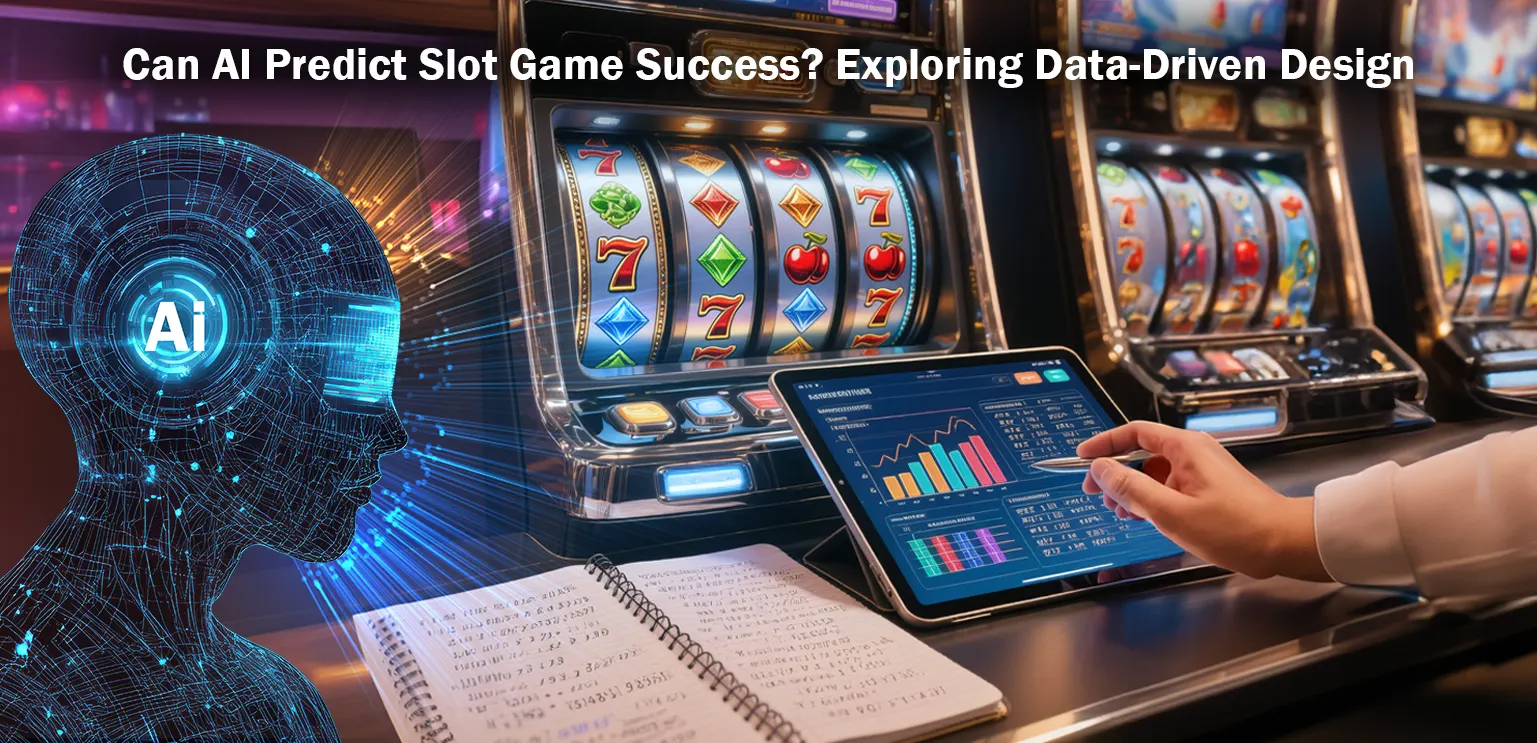
This is where artificial intelligence (AI) and data-driven design step in. By analyzing vast amounts of player behavior and historical performance, AI tools are starting to predict what types of slot games are most likely to engage players and keep them spinning. But is this futuristic promise realistic—or just another buzzword?
Let’s dive into how AI can predict slot game success, the benefits and limitations of data-driven design, and how creative studios like Gamix Labs balance AI insights with the artistry that makes casino games unforgettable.
Why Predicting Slot Game Success Is So Difficult
Slot games are tricky. Unlike traditional video games, success isn’t just about fun mechanics—it’s about balancing visual appeal, fairness, retention, and emotion. A game with brilliant art may fail if the math model is too harsh, while a game with exciting rewards may flop if the theme feels outdated.
Traditionally, predicting a slot’s success has relied on:
- Market research (what themes are trending)
- Playtesting with small focus groups
- Copying proven formulas (Egyptian, fruit, or Vegas themes)
But these methods are hit-or-miss. Enter AI-powered prediction.
How AI Predicts Slot Game Success
AI systems excel at finding patterns in massive datasets that humans overlook. When applied to casino game development, AI can analyze:
- Historical Game Performance: Comparing thousands of slot releases to identify what themes, math models, and bonus structures drive retention.
- Player Behavior Data: Looking at spin frequency, session length, and drop-off points across millions of players.
- A/B Testing Results: Measuring how small changes (button placement, reel speed, bonus animations) impact engagement.
- Market Trends: Scraping app stores, casino lobbies, and competitor launches to predict upcoming player preferences.
By combining these signals, AI tools can produce a success score or predictive model of how likely a new slot is to perform well.
AI as a Friend: Opportunities in Data-Driven Slot Design
🔹 Faster Iteration
AI shortens the design cycle by highlighting what features are most likely to succeed. Instead of guessing, developers can focus on elements with proven potential.
🔹 Smarter Balancing
AI simulators can run millions of spins in minutes, revealing how a math model feels over time. This prevents common mistakes like overly tight RTPs or bonus rounds that trigger too often.
🔹 Personalized Experiences
AI doesn’t just predict success on a global scale—it can adapt games to different player types. One player may enjoy frequent mini-wins, while another prefers high-risk jackpots. AI can recommend mechanics that appeal to both without diluting the experience.
🔹 Enhanced Creativity
Paradoxically, AI frees up human creativity. By taking over the heavy lifting of data analysis and testing, AI allows artists and designers to dedicate more energy to creating captivating slot art, fluid animations, and immersive game worlds.
For example, our team often uses AI insights to refine early concepts—choosing themes, features, and visual directions that data suggests will resonate. But the final execution is always handcrafted, ensuring originality and emotional impact.
The Risk Factor: How AI Predictions Can Misguide Developers
🔹 The Danger of Copycat Games
If every studio relies too heavily on AI predictions, the market risks being flooded with similar-looking games. If every studio follows the same AI predictions, you could end up with 50 identical Egyptian slots—uninspired and easy to ignore.
🔹 Losing the Human Touch
AI can crunch numbers, but it doesn’t understand emotion. It can’t replicate the goosebumps a player feels when the bonus round music swells at the perfect moment. Over-optimization risks stripping slots of their soul.
🔹 False Positives
Even with data, predictions are never 100%. Cultural shifts, regulation changes, or sudden viral trends can completely upend what players want.
🔹 Regulatory Concerns
Some regulators may frown upon AI-driven personalization, especially if it feels manipulative. Transparency and player protection must remain priorities.
What Most Articles Miss
After analyzing competitor blogs on AI in casino game design, here’s what many skip over:
- Practical Workflows: Most talk about theory but not how AI integrates with tools like Unity, Photoshop, or proprietary slot engines.
- Theme-Specific Predictions: Few mention that AI can track theme cycles—like identifying when pirate adventures are in demand one year and futuristic cyberpunk worlds gain popularity the next.
- Creative Synergy: Articles often frame AI vs. human creativity as a battle. In reality, the best results come when AI supports—but doesn’t replace—human artistry.
This is exactly where Gamix Labs stands out. We combine data-driven insights with handcrafted visuals—ensuring slots feel both predictive and personal.
The Balanced Approach: AI + Human Creativity
So, can AI truly predict slot game success?
The answer is yes—partially. AI shines when it comes to detecting patterns, fine-tuning game balance, and forecasting industry trends.
At Gamix Labs, we believe the future isn’t about AI replacing creativity—it’s about AI guiding creativity. The most successful casino games of tomorrow will be those where data-driven insights and human artistry work hand in hand.
Conclusion
AI can’t guarantee success, but it can give casino game developers a head start. By blending predictive analytics with handcrafted design, studios can reduce risk, optimize retention, and build games players truly love.
When AI processes the logic and artists shape the feeling—that’s when real magic happens. That’s the future of data-driven slot design—and it’s already unfolding today.
FAQs
Can AI really predict which slot games will succeed?
AI can analyze trends, player behavior, and past performance to estimate success, but human creativity still plays the biggest role.
What data does AI use in slot game prediction?
AI relies on player behavior data, market trends, historical game performance, and test simulations.
Is AI replacing human slot game designers?
No. AI supports designers by providing insights and balancing tools, but creativity, art, and storytelling remain uniquely human.
How does AI help with player retention in slots?
AI personalizes features, adjusts difficulty, and predicts drop-off points to keep players engaged longer.
Is using AI in slot development ethical?
Yes, as long as it’s transparent and not manipulative. Ethical studios use AI to enhance fun and fairness, not exploit players.