Advantages of Using Steam for PC Game Distribution

· 6 min read
Author - Gamix Labs

In the world of PC gaming, distribution platforms play a crucial role in helping developers reach players worldwide. Among all platforms, Steam stands out as the most popular and reliable choice for game developers. With millions of users, powerful marketing tools, and developer-friendly features, Steam has become an essential platform for PC game distribution. But what makes Steam the go-to choice for game studios? Let’s explore its advantages and why every developer should consider using it.

Advantages of Using Steam for PC Game Distribution

Massive User Base and Global Reach

Steam has a huge, active player base, with millions of users worldwide. This means developers can instantly access a large audience without spending excessive time and resources on marketing. Unlike other platforms where discoverability can be a challenge, Steam’s ecosystem naturally promotes well-received games, increasing visibility and engagement. Additionally, Steam supports multiple languages and regional pricing, allowing developers to tap into international markets with ease.

Easy Game Updates and Patch Management

One of the biggest challenges for game developers is maintaining and updating their games. Steam provides an intuitive and streamlined system to release patches, updates, and DLCs, ensuring that players always have the latest version of a game. Automatic updates eliminate the need for users to manually search for patches, leading to better user experience and smoother gameplay.


Strong Community Engagement Features

Unlike traditional game stores, Steam is a social gaming hub where players can engage with developers and each other. Steam offers features like community forums, reviews, Steam Workshop (for modding), achievements, trading cards, and user-generated content. These features encourage interaction and help games build strong fan bases. A thriving community not only enhances player retention but also provides valuable feedback for improving the game.

Secure and Convenient Payment System

Handling transactions across different regions can be complex, but Steam simplifies this with built-in payment processing. It supports multiple currencies, credit cards, digital wallets, and localized payment methods, making it easy for players worldwide to purchase games. Steam also provides secure transactions, reducing the risk of fraud and unauthorized purchases.


Marketing and Discovery Tools for Developers

Marketing a game can be a significant challenge, especially for indie developers. Steam offers a range of tools to help games gain visibility. Features like Steam Curators, Wishlist reminders, featured deals, seasonal sales, and promotional events help developers market their games effectively. Additionally, Steam’s recommendation algorithms ensure that players see relevant game suggestions, increasing the chances of organic discovery.

Digital Rights Management (DRM) and Anti-Piracy Features

Piracy is a major concern for game developers. Steam provides built-in DRM protection, which prevents unauthorized distribution and illegal downloads. While Steam’s DRM is not mandatory, it serves as a strong deterrent against piracy, ensuring that developers receive fair revenue for their work.


Cloud Saves, Cross-Platform Support, and Controller Compatibility

Steam’s cloud save feature allows players to store their game progress online, making it easy to switch devices without losing progress. Furthermore, Steam supports Windows, macOS, and Linux, expanding the potential player base. It also provides extensive controller support, ensuring compatibility with a wide range of input devices, from keyboards and mice to gamepads and arcade sticks.

Detailed Analytics and Developer Tools

Steam provides game developers with comprehensive analytics that offer insights into game performance, player behavior, and sales data. These insights help developers make informed decisions about updates, pricing, and marketing strategies. Steam also offers beta testing tools, allowing developers to test their games with real users before an official release.


Steam Early Access and Crowdfunding Opportunities

Steam offers an Early Access program that allows developers to release games while still in development. This helps studios gain valuable feedback, generate revenue early, and build a dedicated community before the final release. Additionally, developers can utilize crowdfunding campaigns in combination with Steam’s ecosystem to fund their projects and validate ideas before full-scale production.

Longevity and Post-Launch Support

Unlike traditional retail releases, games on Steam can remain available for purchase indefinitely. Developers can continue updating and supporting their games years after launch. Seasonal sales and discounts keep older games relevant, ensuring that they continue generating revenue long after their initial release.


Conclusion

For game developers, Steam is an indispensable platform that offers unmatched distribution, marketing, and community engagement tools. Its vast user base, secure payment system, and developer-friendly features make it the best choice for launching and selling PC games. Whether you’re an indie developer or a large studio, Steam provides the tools necessary for success.

At Gamix Labs, we understand the complexities of game distribution and the importance of reaching the right audience. Whether you need stunning game assets, expert consultation, or support for launching your game, we’re here to help. Get in touch with us today and let’s bring your game to the world!

Why should I distribute my PC game on Steam?

Steam gives your PC game instant access to a huge audience plus built-in storefront tools — payments, wishlists, discovery features, and regional pricing — so you can reach players worldwide without building your own store infrastructure.

How simple is it to push updates and patches on Steam?

Very simple — Steam lets you upload builds, run beta branches, and release patches quickly. Players get automatic updates, which keeps everyone on the same version and makes post-launch fixes and balance changes much smoother.

Can Steam actually help my game get discovered and sell more?

Yes — Steam’s algorithms, wishlist system, seasonal sales, and curator/featured spots can boost visibility. But discovery still depends on good store assets, reviews, and marketing; Steam amplifies quality and momentum rather than creating it out of thin air.

Does Steam handle payments and protect my game from piracy?

Steam handles global payments (multiple currencies and local methods) and offers optional DRM to deter piracy. It also reduces fraud risk through its secure checkout, though no system is 100% foolproof — good pricing and community trust matter too.

What community and post-launch tools does Steam offer for developers?

Steam provides forums, reviews, Steam Workshop for mods, achievements, cloud saves, analytics, and Early Access — all great for building a community, gathering feedback, and keeping players engaged after launch.

Real Money Play: Mobile Gaming Revenue Growth

· 6 min read
Author - Gamix Labs

The mobile gaming industry has exploded in recent years, becoming one of the most profitable sectors in entertainment. With millions of players engaging in mobile games daily, developers and operators are constantly looking for new ways to boost revenue. One of the most significant opportunities in this space is real money play—a model that allows players to wager and win actual cash within mobile games.

Revenue Growth in Mobile Gaming: Unlocking the Potential of Real Money Play

The Rise of Mobile Gaming and Real Money Play

Mobile gaming has come a long way from simple puzzle and arcade games. Today, players expect high-quality graphics, immersive experiences, and engaging monetization models. This shift has paved the way for real money play to thrive, particularly in casino games, skill-based competitions, and sports betting apps.

According to market research, mobile gaming revenue is expected to surpass $100 billion by 2025, with a large share coming from in-game purchases, microtransactions, and real money gaming. This growth is fueled by:

  • 📱 Convenience: Players can access real money games anytime, anywhere.
  • 🎰 Engagement: The thrill of winning real cash keeps players coming back.
  • 🔒 Advanced technology: Secure payment gateways and blockchain solutions enhance trust and transparency.

How Real Money Play Boosts Revenue Growth

1. Increased Player Retention and Engagement

One of the biggest challenges in mobile gaming is keeping players engaged. Real money play adds an extra layer of excitement that keeps users invested. Unlike traditional free-to-play models, where interest often fades after a few weeks, real money gaming offers continuous incentives to return and play.

2. Higher Lifetime Value (LTV) of Players

Real money players tend to spend more compared to free-to-play users. They are not just investing their time but also their money, making them more valuable to game developers. Studies show that real money players have a significantly higher LTV, leading to greater long-term revenue.

3. Diverse Monetization Opportunities

Real money play opens up multiple revenue streams, including:

  • 🎟️ Entry fees for skill-based competitions
  • 🎰 In-game betting and wagers
  • 💎 Premium membership subscriptions
  • 🤝 Affiliate partnerships with payment providers
  • 📢 Advertising revenue from high-intent audiences

By diversifying monetization strategies, developers can reduce reliance on ads and microtransactions, creating a more sustainable revenue model.

4. Expansion of Global Market Reach

The demand for real money gaming is not limited to one region. Markets in North America, Europe, and parts of Asia are seeing a surge in mobile gambling and real money play. As regulatory frameworks evolve, more regions are opening doors for legal real money gaming, allowing developers to expand their user base globally.


Challenges and Considerations in Real Money Gaming

While the revenue potential is massive, real money play comes with its own set of challenges:

1. Regulatory Compliance

Gaming laws vary by country and state. Developers need to ensure legal compliance by obtaining the necessary licenses and working with legal experts to navigate regulations.

2. Secure Payment Processing

Handling real money transactions requires robust security measures. Implementing encrypted payment gateways, fraud detection systems, and secure withdrawal methods is crucial to building player trust.

3. Responsible Gaming Measures

Real money gaming should be fun and responsible. Developers must implement:

  • Deposit limits
  • Self-exclusion options
  • Fair play policies

These measures help prevent gambling addiction and maintain ethical gaming practices.

4. Competition and Market Saturation

The real money gaming space is highly competitive, with established players dominating the market. To stand out, developers must focus on:

  • Unique game mechanics
  • Seamless user experience
  • Effective marketing strategies

The real money gaming industry is constantly evolving, with several trends shaping its future:

1. Blockchain and Cryptocurrency Integration

Blockchain technology is making real money gaming more transparent and secure. Cryptocurrencies like Bitcoin and Ethereum are becoming popular for fast, anonymous transactions in online and mobile casinos.

2. Augmented Reality (AR) and Virtual Reality (VR) Experiences

As AR and VR technologies advance, real money gaming experiences will become more immersive, offering players a real-life casino feel from their mobile devices.

3. AI-Powered Personalization

Artificial intelligence is helping game developers create personalized experiences by analyzing player behavior and offering customized game recommendations and promotions.

4. Social and Multiplayer Real Money Gaming

Social features like live tournaments, leaderboards, and multiplayer betting are making real money gaming more engaging, fostering a sense of community among players.


Final Thoughts

Real money play is transforming the mobile gaming industry, offering developers and operators a powerful way to boost revenue, increase player retention, and expand their market reach. However, success in this space requires compliance, security, and responsible gaming practices.

As technology advances and regulatory landscapes evolve, real money gaming will continue to unlock new opportunities for growth. For developers looking to capitalize on this trend, the key is to focus on player experience, innovation, and trust.

At Gamix Labs, we specialize in creating high-quality slot games and casino game art that enhance player engagement. If you’re looking to explore real money gaming opportunities, our expert team can help bring your vision to life.

What is real money play in mobile games?

Real money play lets people wager and win actual cash (or crypto/stablecoins) inside a mobile app — think mobile casinos, paid skill contests, and betting features that add real stakes to gameplay.

How does real money play help a game earn more?

It boosts engagement and keeps players coming back, raises each player’s lifetime value through entry fees, bets, and subscriptions, and opens extra income streams like high‑intent ads and partner deals.

What risks should developers watch for?

Main risks are legal rules that differ by region, payment and fraud problems, player addiction concerns, and fierce competition — all of which need active management.

How can developers make real money games safe and compliant?

By getting the right licenses, using secure payment gateways and fraud detection, running KYC/AML checks, and adding responsible‑gaming tools (limits, self‑exclusion, help links).

Which tech trends will change real money mobile gaming?

Look for blockchain/crypto payments and stable coins, AI personalization, AR/VR for immersive play, and social multiplayer or live tournaments to boost retention and revenue.

Evolution of Game Engines: Past to Future

· 8 min read
Author - Gamix Labs

Game engines are the essential frameworks that power modern video games. These sophisticated software platforms provide the tools needed to build everything from stunning visuals and fluid gameplay to immersive soundscapes and dynamic world-building. Over the years, game engines have evolved tremendously, shaping the gaming industry and making it possible to develop games with cutting-edge technology. Let’s take a closer look at the history of game engines and how they continue to drive the future of gaming.

Virtual Economies Explained: The Billion-Dollar Industry in Gamin

The Early Days: Simple Beginnings

In the infancy of video games, developers faced numerous challenges in creating games that were fun, engaging, and functional. During the 1970s and early 1980s, developers created custom-built game engines tailored to the specific needs of their projects. Early games like Pong (1972) and Space Invaders (1978) relied on these rudimentary game engines to handle gameplay logic, visuals, and sound. These engines were limited in their capabilities, often running in 2D with basic visuals and sound effects. However, they played a crucial role in shaping the foundational concepts of game development.

As technology progressed, so did the complexity of game engines. In the late '80s and early '90s, developers began creating more sophisticated engines that could support better graphics and more complex game mechanics. This era marked the start of the shift towards greater versatility in game development.

The Rise of 3D Graphics (1990s)

The 1990s was a pivotal decade in the history of gaming, as it brought with it the dawn of 3D graphics. Game engines were now required to support the rendering of three-dimensional environments, models, and animations. One of the most notable early 3D engines was id Tech, which powered groundbreaking titles such as Doom (1993) and Quake (1996). These engines introduced many features that we take for granted today, including texture mapping, real-time lighting, and polygonal models.

The introduction of the Unreal Engine in 1998 by Epic Games further accelerated the transition to 3D gaming. Unreal Engine’s ability to create detailed, immersive worlds changed the course of game development, allowing developers to build complex environments and lifelike characters with unprecedented ease. The Unreal Engine was a game-changer in terms of graphics, sound, and gameplay mechanics, providing a powerful platform for developers to build games that were visually appealing and technically advanced.

The introduction of 3D graphics marked the beginning of a new era in gaming, where players could explore vast virtual worlds and engage in interactive experiences with a level of depth and realism previously unattainable.

The 2000s: Powering Next-Gen Consoles

As the 2000s progressed, gaming hardware became more powerful, which in turn placed greater demands on game engines. The introduction of next-generation consoles like the Xbox 360 and PlayStation 3 pushed game developers to create engines capable of handling high-definition graphics, physics simulations, and complex game logic.

During this period, engines like Unreal Engine 3 and CryEngine took center stage. Unreal Engine 3, released in 2005, allowed developers to create massive open-world environments, realistic animations, and intricate storytelling. Its cutting-edge graphics technology enabled high-definition textures, detailed character models, and cinematic-quality lighting effects, resulting in a new generation of visually stunning games.

CryEngine, developed by Crytek, was another standout engine that pushed the boundaries of graphical fidelity. It introduced real-time rendering techniques and dynamic lighting systems, creating games with breathtaking environments and lifelike physics. These advancements led to the rise of AAA games, including titles like Crysis (2007), which showcased the full potential of next-gen hardware.

The 2000s saw the emergence of huge, sprawling open-world games like Grand Theft Auto IV (2008) and The Elder Scrolls V: Skyrim (2011). These games set a new standard for production values in gaming, combining impressive visuals, complex gameplay mechanics, and engaging narratives.

The 2010s: Accessibility and Cross-Platform Development

The 2010s marked a significant shift in how games were developed and accessed by players. Advances in technology made game development more accessible to indie developers and smaller studios, who were no longer reliant on expensive, proprietary engines. Engines like Unity and Unreal Engine 4 allowed creators to build professional-quality games without the need for massive budgets or teams of specialists.

Unity, in particular, revolutionized the industry by enabling developers to create games for multiple platforms simultaneously. The engine allowed for the development of games for consoles, PCs, mobile devices, and even virtual reality (VR) platforms. Unity’s user-friendly interface, along with its robust asset store, made it a go-to choice for indie developers, who used the engine to create hit games like Monument Valley (2014) and Super Mario Run (2016).

At the same time, Unreal Engine 4 brought unprecedented graphical capabilities to developers, offering advanced real-time rendering and cinematic effects. The rise of cross-platform development meant that games could now be played on a wide variety of devices, from consoles to smartphones, without compromising quality.

This period also saw the advent of social and online multiplayer games, with engines supporting networked multiplayer functionality, real-time player interactions, and dynamic game worlds.

The Present and Future: AI, VR, and Cloud Gaming

Today’s game engines are more powerful than ever, thanks to cutting-edge advancements in artificial intelligence (AI), virtual reality (VR), and cloud computing. Unreal Engine 5 and Unity’s real-time rendering capabilities allow developers to create hyper-realistic graphics with minimal effort. These engines can now render lifelike characters, environments, and lighting effects that were once considered impossible.

AI and Procedural Generation

AI is transforming the way games are developed and played. Developers can now create intelligent, adaptive non-playable characters (NPCs) that respond realistically to player actions, making games feel more dynamic and immersive. AI is also being used to procedurally generate game content, such as landscapes and quests, allowing for virtually limitless game worlds.

VR and AR Experiences

Virtual reality (VR) and augmented reality (AR) are revolutionizing the gaming experience. Game engines are at the forefront of VR and AR development, enabling players to fully immerse themselves in digital environments. VR games like Half-Life: Alyx (2020) have demonstrated the power of this technology, while AR games like Pokémon GO (2016) have taken gaming out of the living room and into the real world.

Cloud Gaming

Cloud gaming services like Google Stadia and Xbox Cloud Gaming are pushing the limits of what’s possible by removing hardware limitations. Players can stream high-quality games on virtually any device, from smartphones to low-powered PCs, without the need for expensive consoles or powerful gaming rigs.

How Technology is Shaping the Future of Game Engines

As we look to the future, game engines will continue to evolve, incorporating the latest advancements in technology. Some key trends include:

  • 1. AI-Powered Development: AI is enabling developers to create more lifelike characters, smarter NPCs, and procedural world generation, making games feel more authentic and dynamic.
  • 2. Hyper-Realistic Graphics: Ray tracing, real-time lighting, and advanced physics simulations are pushing the visual boundaries of gaming, creating cinematic experiences.
  • 3.VR and AR Integration: Game engines are increasingly supporting immersive experiences through VR and AR, enabling players to interact with games in ways never before possible.
  • 4. Cloud-Based Game Development: Cloud technology is making it easier for developers to collaborate remotely, while cloud gaming allows players to access high-quality games without the need for powerful hardware.

Conclusion: A Bright Future for Gaming

The evolution of game engines has radically transformed the gaming landscape, turning what was once a niche pastime into a global industry. From humble beginnings to the cutting-edge technologies of today, game engines have been instrumental in shaping the gaming experiences we enjoy today.

At Gamix Labs, we stay ahead of the curve, leveraging the latest technologies to create engaging, high-quality slot game art and designs. As game engines continue to evolve, we are excited to see where the future of gaming will take us—because, just like the technology powering modern games, the possibilities are endless!

What is a game engine?

A game engine is the software toolbox that powers a game — rendering, physics, audio, input, networking, and an editor where artists and devs put everything together. Think of it as the studio and machinery behind the scenes that makes your game run.

How have game engines changed over time?

Engines moved from tiny, custom code for single games to full-featured platforms that handle 3D graphics, cross-platform builds, and real-time workflows. Today they add AI tools, VR/AR support, and cloud features to speed up production and raise visual quality.

Which engine should indie developers pick (Unity, Unreal, Godot)?

It depends: Unity is great for cross-platform and mobile projects, Unreal shines when you want top-tier visuals and cinematic tools, and Godot is lightweight and open-source for small teams. Match the engine to your budget, target device, and team skill set.

Can AI and procedural tools replace artists and designers?

No — AI speeds up repetitive work (textures, variations, prototyping) and procedural systems create big worlds fast, but humans still set the style, tell the story, and tune gameplay. Best results come when AI helps artists, not replaces them.

What tech trends should developers watch next?

Keep an eye on real-time rendering (better visuals, faster iteration), cloud collaboration/streaming (play anywhere), and AI/ML for smarter NPCs and content generation — these will make games richer and development faster, but also change team workflows.

Can AI Design Entire Game Worlds?

· 4 min read
Author - Gamix Labs

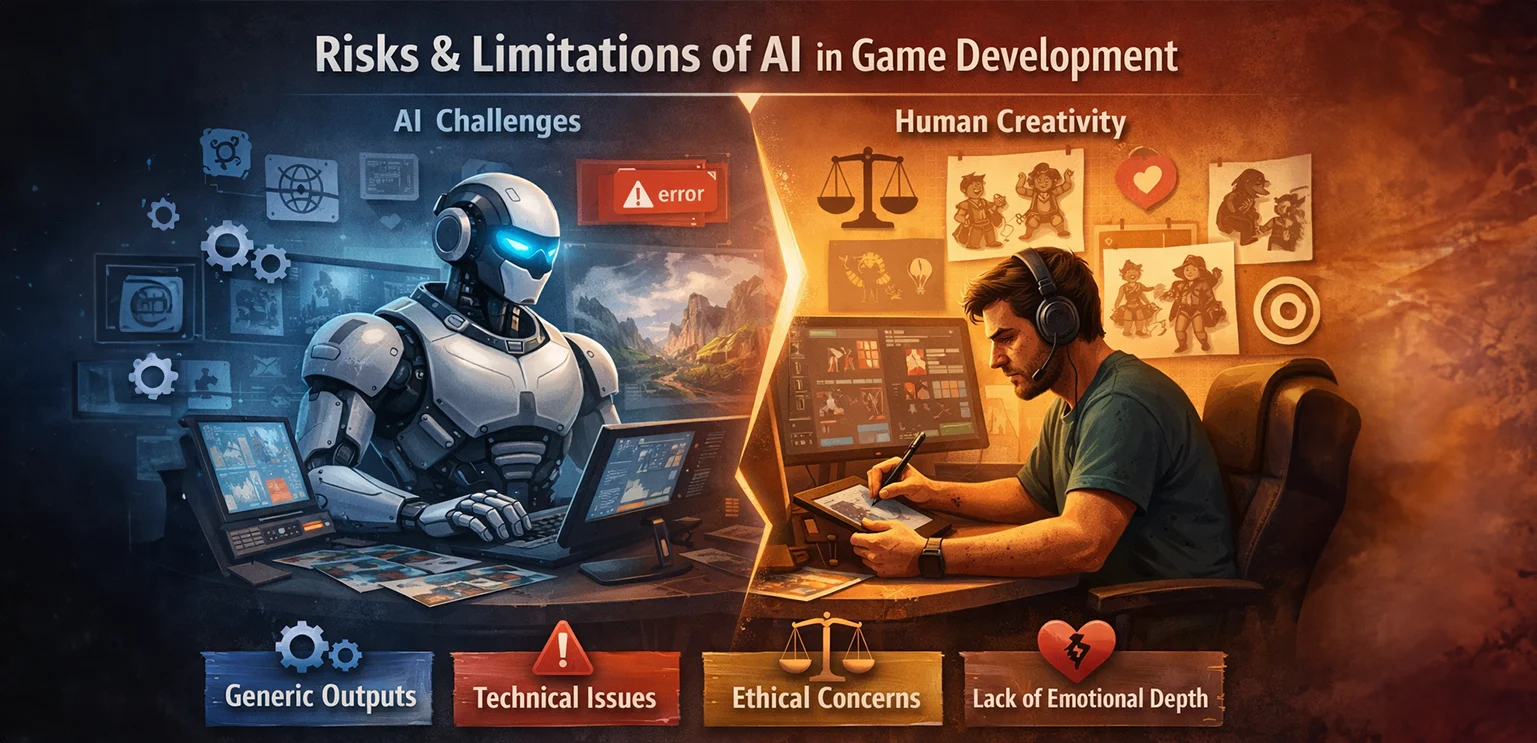
The gaming industry has come a long way, and artificial intelligence (AI) is playing a huge role in shaping its future. AI-driven tools are now capable of generating landscapes, designing characters, and even crafting entire levels. But can AI truly design full game worlds without any human involvement? Let's explore the possibilities and limitations of AI in game development.

Can AI Design Entire Game Worlds Without Human Input

How AI is Changing Game World Design

AI technology is already assisting game developers in multiple ways:

1. Procedural Generation

Procedural generation is a technique where AI creates game content automatically. Games like Minecraft, No Man’s Sky, and Diablo use procedural generation to create vast, unique environments. AI algorithms can generate terrain, dungeons, and even weather systems without direct human input.

2. AI-Powered Level Design

AI tools like Promethean AI and GAN-based systems can help design game levels by analyzing player behavior and optimizing layouts for better gameplay experiences. These systems can suggest improvements or create entire levels, reducing the workload on designers.

3. Intelligent NPC Behavior

AI is used to enhance non-playable characters (NPCs), making them more interactive and realistic. Advanced AI models can generate dialogues, adapt to player choices, and create immersive storytelling experiences.

4. Automated Asset Creation

AI-driven tools can generate textures, 3D models, and animations. NVIDIA’s GauGAN and AI-assisted art software allow developers to create high-quality assets in a fraction of the time it would take manually.


The Challenges of AI-Generated Game Worlds

While AI has made incredible progress, it still faces some major hurdles when designing entire game worlds without human intervention:

1. Lack of Creativity and Artistic Vision

AI can analyze data and generate designs, but it lacks the imagination and emotional depth that human artists bring to a game world. Game design is not just about filling space; it’s about storytelling, atmosphere, and player engagement.

2. Balancing and Playability Issues

AI-generated content often requires human oversight to ensure levels are balanced, engaging, and free of frustrating design flaws. An AI may create environments that look stunning but feel repetitive or lack meaningful player interaction.

3. Ethical and Cultural Considerations

AI lacks an understanding of cultural nuances, artistic intent, and ethical storytelling. Human designers ensure that a game world resonates with its audience and aligns with creative vision and industry standards.


The Future: AI as a Partner, Not a Replacement

AI is a powerful tool that enhances game development, but it is unlikely to replace human designers entirely. The best results come from a collaboration between AI and human creativity. By using AI for procedural generation, asset creation, and testing, developers can focus on the artistic and narrative aspects that make games truly engaging.

At Gamix Labs, we embrace cutting-edge AI technologies while valuing the craftsmanship of human creativity. AI can assist, but the heart of game design remains human.

Want to bring your game vision to life? Let’s build the future of gaming together!

Can AI design entire game worlds on its own?

Not really — AI can generate massive content (terrains, levels, assets) but it usually needs human direction for story, balance, and emotional polish. Think of AI as a very fast assistant, not a full replacement.

What parts of a game world can AI do well today?

AI shines at procedural generation (maps, biomes), creating textures and models, suggesting level layouts, and helping NPC behavior or dialogue drafts — speeding up work and giving designers more ideas to choose from.

What are the biggest problems when using AI for world-building?

Common issues are repetitiveness, game-balance flaws, cultural or ethical slipups, and glitches in playability. AI can produce lots of content, but that content still needs testing and human tuning.

How should teams use AI alongside human designers?

Use AI for bulk tasks and rapid prototyping, then let humans refine the theme, narrative, and gameplay balance. Run playtests and iterate — humans keep the creative vision, AI speeds up the heavy lifting.

Will AI replace game designers and artists?

No — AI will change how work gets done, but designers and artists remain essential for creativity, context, and decisions that machines can’t make. The most successful studios will pair human judgment with AI tools.

How RNG Works in Slot Games

· 6 min read
Author - Gamix Labs

Slot games are all about luck, but have you ever wondered what actually determines the outcome of each spin? The secret lies in a technology called Random Number Generator (RNG). Whether you're playing online slots or land-based machines, RNG ensures that every spin is fair, unpredictable, and unbiased.

In this blog, we'll break down how RNG works in slot games and why it's crucial for both players and developers.
How Gamix Labs Ensure Quality and Consistency in Game Artwork and Development?


What is an RNG in Slot Games?

A Random Number Generator (RNG) is a software algorithm that continuously generates random numbers, even when the slot machine is not being played. These numbers determine the symbols that appear on the reels when you hit the spin button.

Modern slot machines and online slots use Pseudo-Random Number Generators (PRNGs), which rely on complex mathematical formulas to generate results that appear completely random. Though PRNGs are not truly random (since they follow an algorithm), they are so sophisticated that the results are impossible to predict.


How Does RNG Work in Slot Machines?

Every time you press the spin button, the RNG generates a random number. Each number generated corresponds to a specific arrangement of symbols on the reels. Here’s how the process works:

  1. RNG Generates a Number – The system continuously produces random numbers, often thousands of times per second.
  2. Mapping Numbers to Symbols – Each number corresponds to a specific reel position. The slot’s software then translates this into symbols on the screen.
  3. Spin Outcome is Determined – When you hit spin, the RNG selects the most recent number and displays the corresponding symbol combination.
  4. Fair and Unpredictable Results – Because numbers are continuously generated, every spin is independent, meaning previous results have no effect on future outcomes.

This ensures that every player has an equal chance of winning and that the game is not rigged.


Why RNG is Important in Slot Games?

RNG serves as the core technology that powers every slot game. Here’s why it matters:

Ensures Fairness – RNG prevents patterns or predictable outcomes, ensuring that every spin is completely independent.
Regulated by Authorities – Reputable casinos and gaming platforms have their RNGs tested by independent agencies like eCOGRA, iTech Labs, and Gaming Labs International (GLI) to ensure fairness.
Prevents Manipulation – Since RNG operates continuously and unpredictably, neither players nor casino operators can manipulate the results.
Creates a Thrilling Experience – RNG keeps the excitement alive by making every spin different and unpredictable.


Common Myths About RNG in Slot Games

Many players have misconceptions about how slot machines work. Let’s bust some common myths:

Myth: The slot machine is expected to hit a win soon.
Truth: Since every spin is random, past losses do not increase your chances of winning the next spin.

Myth: Casinos can change the RNG at any time.
Truth: Licensed casinos cannot tamper with RNGs. They are strictly regulated by gaming commissions.

Myth: Some times of the day are luckier than others.
Truth: RNG works 24/7, generating results independently of time or external factors.


How Game Developers Use RNG in Slot Games

For slot game developers, implementing a reliable RNG is crucial. Here’s what goes into it:

🔹 Balancing RTP (Return to Player) – RNG helps set the game’s RTP percentage, which determines how much players can expect to win over time.
🔹 Payline Configurations – Developers design different paylines and reels, ensuring a good balance of wins and losses.
🔹 Bonus Rounds and Special Features – RNG controls when free spins, multipliers, and jackpots are triggered.
🔹 Game Testing and Certification – Before a slot game goes live, it must pass strict testing by regulators to confirm its fairness and randomness.

At Gamix Labs, we specialize in creating high-quality slot games with certified RNG systems, ensuring fairness and player engagement.


Final Thoughts

RNG is the heart of every slot game, ensuring that each spin is fair, random, and unpredictable. Whether you're a casual player or a casino operator, understanding how RNG works can help you appreciate the mechanics behind slot games.

At Gamix Labs, we take RNG seriously, ensuring that our slot games provide a thrilling, transparent, and fair gaming experience.

If you're looking for top-tier slot game development, get in touch with us today!
📩 Contact Gamix Labs to bring your casino game ideas to life.

What is an RNG in slot games and how does it work?

A Random Number Generator (RNG) is software that keeps producing numbers every millisecond. When you hit “spin,” the game maps the current number to reel positions and shows the matching symbols. Each spin is independent—previous results don’t influence the next one.

Are RNG-based online slots really fair, or can casinos control outcomes?

Legit casinos can’t tweak individual results. Certified RNGs are audited by independent labs (like GLI, iTech Labs, or eCOGRA) to ensure unpredictable, unbiased spins. If a site is licensed and the game is certified, outcomes aren’t under the casino’s manual control.

Are slot results influenced by past plays or playing at certain times?

No. RNGs run continuously and don’t track your history. A long losing streak doesn’t “force” a win next spin, and playing at night or on weekends won’t change the math. Each spin is random and stands on its own.

What’s the difference between RNG, RTP, and volatility?

RNG decides each spin’s outcome at random. RTP (Return to Player) is the long-term payback percentage set in the game’s math. Volatility describes win patterns (steady small wins vs. rare big hits). RNG executes the math; RTP/volatility define the game’s behavior over time.

How can I tell if a slot game’s RNG is trustworthy?

Check for a valid gaming license, look for a certification badge (eCOGRA, GLI, iTech Labs), and review the game info for stated RTP. Playing only on reputable, licensed casinos is the simplest way to ensure the RNG is audited and fair.

Mobile vs PC Game Development: Key Differences

· 5 min read
Author - Gamix Labs

Game development has evolved significantly over the years, offering developers multiple platforms to create engaging experiences. Two of the most dominant platforms in the industry are mobile and PC, each with its own set of challenges, opportunities, and technical requirements. While mobile games dominate in terms of accessibility and player base, PC games provide high-end, immersive experiences. Understanding the key differences between PC and mobile game development is crucial for developers looking to create successful games. Let’s dive into these differences and explore what makes each platform unique.

Difference Between Mobile and PC Game Development


1. Hardware Limitations and Performance

🔹 Mobile Games

  • Limited processing power, memory, and battery life.
  • Requires optimization for a wide range of devices.
  • Lower polygon counts and simplified physics for better performance.

🔹 PC Games

  • Offers significantly more power and performance headroom.
  • Supports ray tracing, open worlds, and high-end physics.
  • Enables real-time AI processing and advanced graphics.

2. Game Controls and User Interaction

🔹 Mobile Games

  • Uses touchscreen inputs: taps, swipes, gestures.
  • May include gyroscope/accelerometer for movement control.
  • Ideal for casual, puzzle, and strategy games.

🔹 PC Games

  • Uses keyboard, mouse, and controllers.
  • Allows for precise control and complex mechanics.
  • Best suited for FPS, RTS, and simulation games.

3. Development Tools and Game Engines

🔹 Mobile Development

  • Popular engines: Unity, Unreal Engine.
  • Cross-platform support (Android & iOS).
  • Requires handling screen resolutions, aspect ratios, and optimizations.

🔹PC Development

  • Unity and Unreal Engine are also popular.
  • May use CryEngine or custom engines for high-end features.
  • Fewer limitations allow for more technical freedom.

4. Monetization Strategies and Revenue Models

🔹 Mobile Games

  • Mostly free-to-play with in-app purchases and ads.
  • Microtransactions and engagement drive revenue.
  • Examples: Candy Crush, Clash of Clans.

🔹 PC Games

  • Usually follow a premium (pay upfront) model.
  • May include DLCs, in-game purchases, and subscriptions.
  • Examples: Steam games, Xbox Game Pass titles.

5. Development Costs and Time Investment

🔹 Mobile Games

  • Faster and cheaper to develop.
  • Simpler assets and shorter play sessions.
  • Ideal for indie developers and smaller studios.

🔹 PC Games

  • Higher production cost and longer cycles.
  • Complex mechanics and high-quality visuals require large teams.
  • Examples: Cyberpunk 2077, Elden Ring.

🔹 Mobile Games

  • Casual gamers prefer short, easy sessions.
  • Popular genres: hyper-casual, puzzle, card games.
  • 5G and cloud gaming expand possibilities.

🔹 PC Games

  • Hardcore gamers who invest in performance.
  • Popular genres: RPGs, strategy, eSports.
  • Strong modding community and long-form experiences.

7. Updates, Maintenance, and Live Service Games

🔹 Mobile Games

  • Frequent updates and seasonal content.
  • Live service features encourage retention.

🔹 PC Games

  • Some games are complete experiences with occasional DLCs.
  • Online multiplayer games get regular patches and balance updates.

Conclusion

Both mobile and PC game development offer unique advantages and challenges. Mobile games excel in accessibility, affordability, and broad market reach, while PC games deliver high-end experiences with greater creative and technical freedom. Choosing the right platform depends on the game’s vision, budget, and target audience.

At Gamix Labs, we specialize in both mobile and PC game development, helping studios bring their creative visions to life. Whether you're creating a fast-paced mobile hit or a graphically stunning PC experience, our expert team is here to support you.

Looking to develop your next game? Contact us today to discuss your project.

Contact Gamix Labs today, and let’s build something amazing together!

What’s the main difference between mobile game development and PC game development?

Mobile focuses on small screens, touch controls, and many device specs — so you optimize for performance and short sessions. PC allows heavier graphics, precise controls (keyboard/mouse), and deeper experiences, but needs more resources and testing.

Which platform is cheaper and quicker to build for?

Generally mobile projects can be cheaper and faster because they often use simpler assets and shorter development cycles. PC games usually need higher-end art, more testing, and longer production, which raises cost and time.

How should I design controls and UX differently for mobile vs PC?

On mobile, keep controls simple (taps, swipes) and UI readable at small sizes. For PC, design for keyboard/mouse or gamepads with richer HUDs and precise input—players expect complexity and finer control.

What monetization works best on mobile and on PC?

Mobile = free-to-play with ads and in-app purchases; hybrid models perform well. PC = premium pricing, DLC, expansions, or subscriptions. Choose a model that fits session length, audience expectations, and game depth.

How do I pick the right platform for my game idea?

Match your vision to the audience and budget: casual, short-session ideas fit mobile; deep, immersive experiences suit PC. Consider monetization, team size, and technical needs before committing.

Economics of Slot Game Development

· 6 min read
Author - Gamix Labs

Slot game development is a fascinating process that requires a delicate balance between creativity and economics. As the gaming industry continues to grow, developers and companies like Gamix Labs are constantly finding ways to innovate while keeping costs in check. In this blog post, we'll explore how game developers balance these two critical factors—cost and creativity—to create engaging slot games that players love.

Best Practices in RNG Implementation for Casino Game Developers

Understanding the Development Process

Before diving into the economic side, it's essential to understand the core elements of slot game development. A slot game is not just about spinning reels and symbols. It involves various components such as:

  • Game Design: The overall theme, layout, and user interface (UI).
  • Art and Graphics: High-quality visuals, animations, and symbols.
  • Sound Design: Background music, sound effects, and voiceovers.
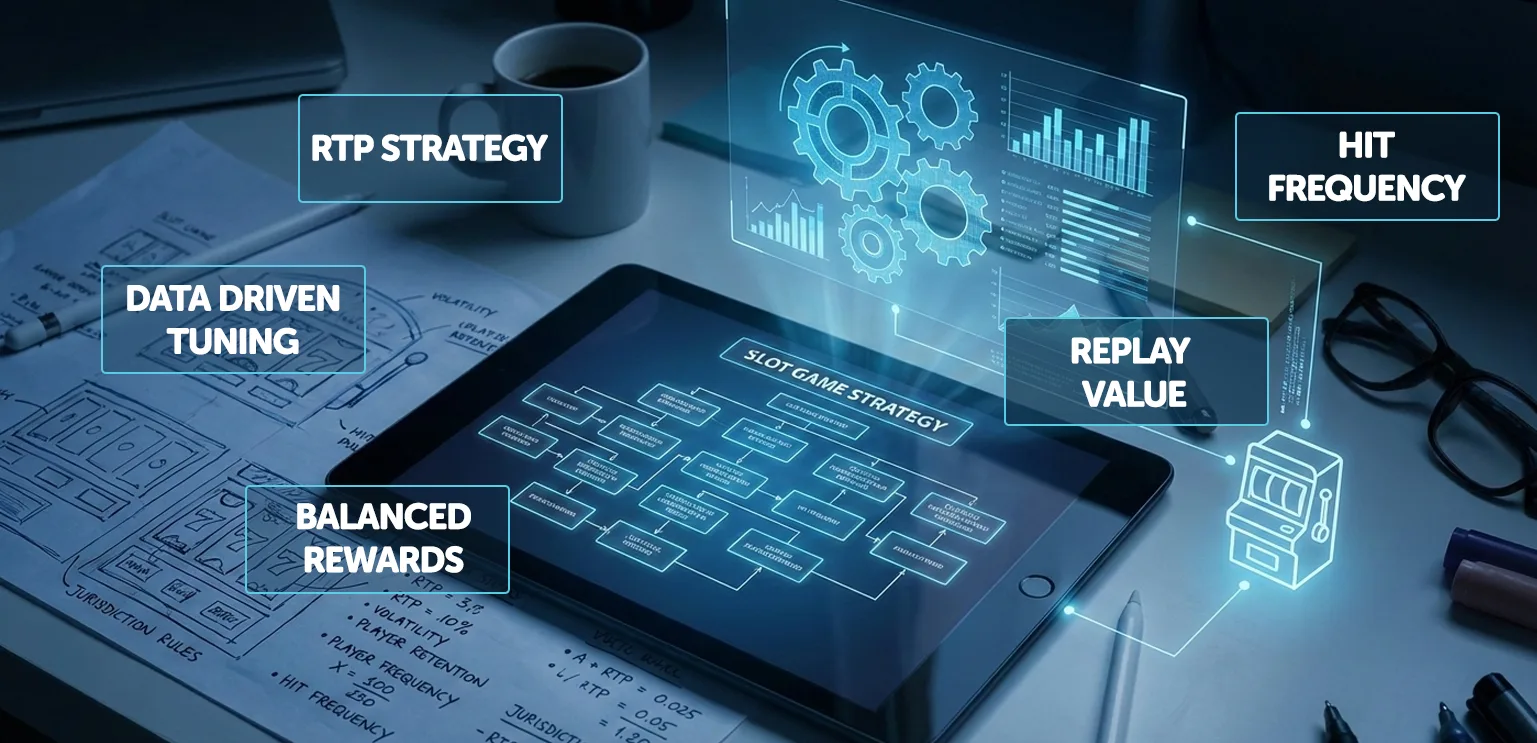
  • Mathematics and Algorithms: The game’s random number generator (RNG), payout structure, and RTP (Return to Player) rate.

These elements come together to form a game that feels immersive and exciting. However, each part of the process can quickly become costly.

The Cost of Creativity

Creativity is the driving force behind any successful slot game. A unique theme, innovative gameplay mechanics, and stunning visuals can make a game stand out in a crowded market. However, the more creative and complex a game is, the more expensive it can be to develop.

For example, creating high-quality 3D graphics or detailed animations requires skilled artists and designers, as well as powerful software and hardware. Developing a new, engaging theme may require a team of writers, sound designers, and other creative professionals. While this results in a visually impressive and unique game, it also adds to the overall cost.

Furthermore, the process of prototyping and testing new ideas involves trial and error, which can lead to increased development time and resources. This is especially true for niche themes or unique gameplay features that haven't been done before.

The Economics of Slot Game Development

While creativity is crucial, developers must also be mindful of the financial side of game development. The goal is to create a game that appeals to players while staying within budget and meeting market expectations. Here’s how the economics of slot game development come into play:

1. Budget Management

Developers need to allocate funds wisely to cover all aspects of the game. From art creation and sound design to coding and testing, every part of the process requires resources. If the budget isn’t managed efficiently, costs can spiral out of control.

2. Time to Market

The longer it takes to develop a game, the more expensive it becomes. Developers aim to release games within a reasonable timeframe to capitalize on trends and market demand. This means they need to find ways to speed up the development process without sacrificing quality.

Understanding market trends is crucial for slot game development. Certain themes or features might be popular at a given time, which can impact the game's potential success. Developers need to balance innovation with marketability, ensuring the game is both creative and in line with what players want.

4. Return on Investment (ROI)

The ultimate goal of any slot game is to be profitable. Developers aim to create a game that generates enough revenue to cover the development costs and turn a profit. This involves considering factors such as the game’s RTP, bonus features, and potential for in-game purchases.

Balancing Creativity and Cost

Striking the right balance between creativity and cost is where the real challenge lies. Too much focus on either side can lead to undesirable outcomes. Here’s how developers can strike that perfect balance:

  • Smart Resource Allocation: Instead of over-investing in every aspect of the game, developers focus on areas that will have the most impact. A well-designed theme and innovative bonus features can often outweigh the need for excessive animations or highly detailed graphics.
  • Using Reusable Assets: To save on costs, developers often reuse certain assets across different games, such as background music or visual elements from previous projects. This helps reduce development time and costs without sacrificing quality.
  • Leveraging Technology: With advancements in technology, developers now have access to efficient tools that help streamline the development process. Game engines like Unity or Unreal Engine provide powerful capabilities to create high-quality games without starting from scratch each time.
  • Player Feedback: Once the game is released, player feedback becomes invaluable. Developers often update the game based on user reviews, adjusting features or improving certain elements. This allows them to enhance the game while managing costs effectively.

Conclusion: A Winning Formula

The economics of slot game development focus on balancing creativity with costs to build engaging, profitable, and sustainable games. By managing budgets, understanding development stages, and following market trends, developers create innovative slot games that captivate players.

At Gamix Labs, we specialize in creating engaging, high-quality slot games that strike this perfect balance. We’re committed to delivering creative and exciting game experiences that provide both value for players and returns for operators. As the gaming industry continues to grow and the gaming industry continues to evolve, we’re excited to lead the way in developing games that combine cutting-edge creativity with smart economic strategies.

What are the main costs in slot game development?

Major slot development costs include design, RNG/RTP math, art, animation, sound, programming, QA, server work, licensing, and marketing. Smaller teams must also budget for testing and post-launch updates, which can quickly escalate if not planned carefully.

How do developers balance creativity with a tight budget?

Developers prioritize high-impact elements like theme and bonus mechanics, reuse assets, build MVPs, and iterate based on player feedback. Smart scope control and focused polishing often deliver better results than investing in expensive, unfocused features in games.

What are some smart ways to reduce slot game development time and expenses?

One effective strategy is to focus on key elements like themes and features players enjoy most, avoiding overspending. Developers save time by reusing design elements, leveraging ready-made tools, and utilizing efficient game engines for faster production. Sometimes, outside experts are brought in for specialized tasks, keeping projects on schedule while maintaining budget control.

How do slot games earn money and ensure a good ROI?

Revenue in games comes from play volume, in-game purchases, and operator deals, while RTP and volatility influence long-term earnings. Successful titles combine compelling themes, engaging bonus loops, and effective user acquisition to ensure development costs are recovered.

When should I spend more on visuals vs. gameplay features?

Spend on visuals when the game needs a striking first impression (marketing and slots often do). Invest in gameplay and math when retention and long-term value matter. The right split comes from prototypes and early player testing.

Virtual Economies in Gaming: Billion-Dollar Market

· 6 min read
Author - Gamix Labs

The gaming industry has evolved significantly, with one of the most fascinating changes being the emergence of virtual economies. These digital marketplaces now go beyond in-game trading, forming billion-dollar ecosystems that merge virtual and real-world value. Let’s explore how virtual economies emerged and why they are reshaping the gaming industry and player experiences.

Virtual Economies Explained: The Billion-Dollar Industry in Gamin

What Are Virtual Economies?

Virtual economies are systems where players can buy, sell, and trade virtual goods within a game. These goods can range from skins, weapons, and characters to real estate, resources, and even in-game currency. What makes these economies unique is their ability to mimic real-world markets, complete with supply, demand, and fluctuating prices.

A prime example is the in-game economy of massively multiplayer online games (MMOs) like World of Warcraft or RuneScape. Here, players can trade items they earn or craft, creating a vibrant digital marketplace. Over time, these economies have evolved, with some virtual items fetching real-world money through platforms like Steam Marketplace or third-party sites.

Why Are Virtual Economies So Valuable?

  • Player Engagement: Virtual economies keep players invested in the game. The ability to earn and trade adds layers of depth, encouraging exploration, competition, and collaboration.

  • Monetization Opportunities: Game developers have tapped into virtual economies as a revenue stream. Selling in-game items, battle passes, and cosmetic upgrades generates billions annually. This monetization model has enabled developers to sustain free-to-play games while delivering consistent updates.

  • Real-World Value: Some virtual goods hold significant real-world monetary value. For instance, rare items or characters in games like CS:GO or Fortnite have been sold for thousands of dollars. Entire professions have been built around farming, trading, and selling virtual items.

  • Cultural Significance: Virtual goods are more than just pixels; they represent status, identity, and achievement within the gaming community. Owning rare or exclusive items often equates to bragging rights and a sense of belonging among peers.

The Intersection of Gaming and Blockchain

Blockchain technology has added a new dimension to virtual economies, enhancing security, transparency, and player ownership of digital assets. Non-Fungible Tokens (NFTs) allow gamers to truly own their in-game items, giving them unprecedented control and value. Unlike traditional items, NFTs can exist independently, often being traded or sold across different games and marketplaces.

Blockchain-based games like Axie Infinity and The Sandbox showcase this trend. Players earn cryptocurrency by playing, which can be converted into real-world money. This "play-to-earn" model has made waves, particularly in regions where gaming becomes a viable source of income. Blockchain ensures transparency and security in transactions, addressing concerns of fraud and ownership disputes.

Challenges and Concerns

While virtual economies are exciting, they come with challenges:

  • Fraud and Scams: With real money involved, there’s a risk of fraudulent activities, from fake trades to hacked accounts. This is especially true for blockchain games, where users may fall victim to phishing scams or lose access to their wallets.

  • Regulation: Governments are still grappling with how to regulate virtual economies and taxation on virtual earnings. Some regions have begun introducing policies, but the lack of universal standards remains a challenge.

  • Addiction and Exploitation: The pursuit of virtual goods can lead to addictive behaviors or exploitation of vulnerable players. Some games may incentivize spending excessively on microtransactions, leading to financial strain for some users.

The Future of Virtual Economies

The line between virtual and real-world economies continues to blur as gaming technology becomes more advanced and immersive. Virtual economies will increasingly integrate into daily life, offering experiences that mimic real-world financial and social interactions. Imagine a world where virtual real estate matches city property value, and virtual currencies rival traditional fiat money in importance.

Emerging technologies like augmented reality (AR) and virtual reality (VR) will further enhance the experience, making virtual economies feel even more tangible. Developers are also exploring ways to make these ecosystems more inclusive, ensuring that players from all backgrounds can benefit from the growth of virtual economies.

Conclusion

Virtual economies are no longer niche; they are reshaping how people perceive value and interaction in digital spaces globally. For gamers, this era offers exciting opportunities to play, earn, and connect within immersive virtual environments. For the gaming industry, virtual economies provide a platform to innovate and redefine the future of entertainment. Globally, they highlight that the virtual realm holds significant potential, comparable to opportunities in the physical world.

At Gamix Labs, we’re passionate about staying ahead of these trends and fostering conversations about the future of gaming. Let us know your thoughts on the evolution of virtual economies and where you see them headed next. Together, we can shape the future of this exciting industry.

What are virtual economies in games?

They’re in-game markets where players buy, sell or trade items, currency, and property. Think skins, weapons, or virtual land — together these items create a mini-economy with supply, demand, and prices that affect gameplay and player value.

How do virtual goods become worth real money?

Value in virtual economies comes from scarcity, demand, and utility, making rare or useful items highly desirable. When marketplaces allow buying and selling, digital items can gain real-world monetary value, especially for collectors or professional gamers.

How do developers make money from virtual economies?

Revenue can be generated by selling cosmetic items, battle passes, DLC, or marketplace fees while keeping players engaged. New models like play-to-earn and NFT drops provide additional income opportunities, but they must be implemented responsibly.

What risks should players and studios watch for?

Watch out for scams, hacked accounts, market fraud, addictive spending, unclear taxes, and shifting laws. Studios also face balance issues and potential reputational harm if monetization feels predatory.

Are blockchain and NFTs the future of virtual economies?

NFTs provide clear ownership, cross-game trading, and play-to-earn opportunities, enhancing engagement and value for gamers. However, they also bring volatility, legal questions, and user-experience challenges, encouraging hybrid approaches combining blockchain benefits with traditional safeguards.

Fantasy Sports Impact on Real-Money Gaming

· 5 min read
Author - Gamix Labs

Fantasy sports have taken the world by storm, turning sports enthusiasts into active participants rather than just spectators. While fantasy sports are fun and engaging, they have also significantly influenced the real money gaming (RMG) industry. With millions of players worldwide and rapid technological advancements, fantasy sports are set to remain a major driver of real money gaming revenue for years to come.

Best Practices in RNG Implementation for Casino Game Developers

The Rise of Fantasy Sports

Fantasy sports involve creating virtual teams based on real-life players and earning points based on their actual performance. Whether it's football, basketball, cricket, or baseball, fans love the thrill of managing their dream team and competing with others. The rise of digital platforms has made it easier for people to participate, leading to an explosion in popularity.

Major platforms like DraftKings, FanDuel, and Dream11 have capitalized on this trend, attracting millions of users globally. As fantasy sports continue to grow, they are becoming an important part of the online gaming industry.

How Fantasy Sports Drive Real Money Gaming Revenue

1. Increased Player Engagement

Fantasy sports keep users engaged for longer periods. Unlike traditional betting, where people place a bet and wait for results, fantasy sports require ongoing participation. Users track player performance, make strategic decisions, and adjust their teams. This high engagement often translates into increased spending on fantasy leagues and other real-money gaming activities.

2. Crossover Between Fantasy and Sports Betting

Many fantasy sports players eventually explore sports betting. Since they are already analyzing player stats and team performances, they feel more confident placing real-money bets. This crossover effect benefits sportsbooks and online casinos, leading to higher revenues for the gaming industry.

3. Sponsorships and Partnerships

The booming fantasy sports market has led to lucrative sponsorship deals and brand partnerships. Major gaming operators collaborate with fantasy platforms, offering special promotions, contests, and betting opportunities. These partnerships drive revenue by attracting more users and increasing betting volumes.

4. Micro transactions and Paid Leagues

Fantasy sports platforms often feature micro transactions. These include entry fees for premium contests, team upgrades, and exclusive expert insights. Paid leagues let players compete for real cash prizes. This boosts user engagement and drives significant revenue for gaming operators.

5. Global Market Expansion

Fantasy sports have a worldwide appeal, breaking geographical barriers. Emerging markets like India, Brazil, and Africa have seen massive growth in fantasy gaming, leading to increased real money gaming revenues in these regions. With local leagues gaining popularity, the industry continues to expand its reach.

Challenges and Regulations

While fantasy sports contribute significantly to gaming revenue, they also face regulatory challenges. Some countries classify them as games of skill, while others view them as gambling. Strict regulations and legal uncertainties can impact market growth and revenue generation.

Additionally, concerns over responsible gaming and fair play require operators to implement robust policies to protect users. Striking a balance between entertainment and responsible gaming is crucial for long-term industry success.

The Future of Fantasy Sports and Real Money Gaming

The future of fantasy sports looks promising, with technology playing a key role. Artificial intelligence (AI), blockchain, and virtual reality (VR) are set to enhance user experience and security. The integration of esports and fantasy gaming will further expand the market, creating new revenue streams for operators.

As more sports leagues and gaming companies collaborate, fantasy sports will continue to fuel the growth of the real money gaming industry. The synergy between these two sectors ensures a dynamic and profitable future for online gaming.

Conclusion

Fantasy sports have become a game-changer for the real money gaming industry. By increasing user engagement, driving sports betting, and creating new revenue opportunities, they have reshaped the gaming landscape. Despite regulatory challenges, the industry is set for continued growth, making fantasy sports a vital part of the global gaming economy.

With millions of players worldwide and constant technological advancements, fantasy sports will remain a powerful force in driving real money gaming revenue for years to come.

What are fantasy sports and how do they fit into real‑money gaming?

Fantasy sports let fans build virtual teams of real players and score points from their real‑world performance. When platforms charge entry fees or offer cash prizes, these contests become part of real‑money gaming—mixing sports knowledge with a chance to win actual money.

How do fantasy sports boost revenue for real‑money gaming operators?

They keep players coming back, create paid contests and microtransactions, attract sponsors and partners, and push users toward other paid products. All that extra engagement and repeat spending raises each player’s lifetime value.

Do fantasy sports players often move into sports betting or other gambling?

Yes — many do. Fantasy players already analyze stats and strategies, so they’re more likely to try sports bets or casino features, which helps operators increase overall customer value.

What legal or regulatory problems should fantasy sports platforms watch for?

Laws vary a lot: some places call fantasy a game of skill, others treat it as gambling. Platforms must handle licensing, age checks, taxes, responsible‑gaming rules, and sometimes region blocks to stay compliant.

What trends will shape the future of fantasy sports and real‑money gaming?

Look for AI‑based personalization, blockchain payments and transparency, AR/VR experiences, esports tie‑ins, and stronger social features like live tournaments — all of which can boost engagement and revenue.

Microtransactions in Gaming: A Developer Guide

· 7 min read
Author - Gamix Labs

Microtransactions and in-game purchases have revolutionized the gaming industry. From mobile games to AAA titles, they’ve become a key revenue model for developers while also significantly impacting player experiences. While the model offers undeniable opportunities for growth, it also presents unique challenges. Let’s dive deeper into the pros and cons of microtransactions for developers.

Microtransactions in Gaming:- The Ultimate Guide for Developers

What Are Microtransactions?

Microtransactions refer to small, optional purchases players make within a game. These purchases can range from cosmetic upgrades like character skins to functional items like weapons, boosts, or even additional content. While often associated with free-to-play games, microtransactions have also found their way into premium titles. Here are some common types:

  • Cosmetic Items – Skins, outfits, and decorations that enhance visual appeal without affecting gameplay.
  • Functional Upgrades – Items that provide gameplay advantages, such as weapons or armor.
  • Boosts – Temporary benefits like experience point multipliers or faster resource generation.
  • Season Passes or Expansions – Access to new content like levels, characters, or stories.
  • Loot Boxes – Randomized bundles of items, often controversial due to their gambling-like mechanics.

The Pros for Developers

1. A Continuous Revenue Stream

One of the biggest advantages of microtransactions is the ability to generate revenue long after the game’s release. Traditional models rely on upfront sales, but microtransactions keep money flowing as long as players stay engaged. This recurring income can be a lifeline for developers, especially smaller studios.

2. Accessibility Through Free-to-Play Models

Micro-transactions support the free-to-play model, enabling developers to attract a large player base without upfront costs. Once players are engaged, they are more likely to spend on optional items, often exceeding the cost of a single purchase.

3. Enhanced Player Engagement

Offering players ways to customize their experience, such as purchasing unique skins or unlocking new characters, boosts engagement. Players feel more invested in a game when they can personalize their journey or improve their gameplay.

4. Funds for Ongoing Development

With a steady income stream, developers can fund updates, expansions, and improvements to keep the game fresh. This creates a win-win situation where players enjoy new content while developers sustain their game’s longevity.

5. Scalability for Different Audiences

Microtransactions allow developers to cater to a diverse audience. Casual players may stick to free content, while hardcore fans invest heavily in premium features. This flexibility maximizes the potential audience and revenue.

The Cons for Developers

1. Risk of Player Backlash

Microtransactions are often controversial. If players feel pressured to spend money to succeed or fully enjoy the game, they may accuse developers of implementing a “pay-to-win” system. This perception can damage a game’s reputation and lead to negative reviews.

2. Balancing Gameplay and Fairness

Developers face the challenge of ensuring microtransactions don’t disrupt the balance of the game. Paid items that give players an advantage can alienate those who choose not to spend money, creating frustration and harming the player community.

3. Regulatory Challenges

Governments in some countries are scrutinizing microtransactions, particularly loot boxes. Critics argue that these mechanics resemble gambling, leading to restrictions or outright bans. Developers need to stay informed and comply with evolving regulations, which can be costly and time-consuming.

4. Dependency on High Engagement

Microtransactions require a highly engaged player base to succeed. If a game fails to retain players over time, the revenue model quickly collapses. Developers must invest heavily in keeping the game compelling, which may not always guarantee success.

5. Brand and Community Impact

Over-reliance on microtransactions can harm a developer’s brand. Players value fairness and transparency, and aggressive monetization strategies can erode trust. Maintaining goodwill while pursuing profitability is a delicate balance.

Best Practices for Implementing Microtransactions

To navigate the complexities of microtransactions, developers can adopt strategies that prioritize player satisfaction alongside revenue generation:

  • Focus on Cosmetic Items Cosmetic purchases, like skins or emotes, are often better received because they don’t impact gameplay. Players enjoy customization without feeling compelled to spend money to stay competitive.

  • Avoid Pay-to-Win Mechanics Games that rely heavily on pay-to-win models often face backlash. Ensuring that paid items don’t give unfair advantages fosters a more inclusive and enjoyable environment for all players.

  • Offer Transparent Pricing Clarity is key. Players should always know what they’re paying for. Avoiding randomization or hidden mechanics builds trust and reduces frustration.

  • Listen to Player Feedback Engage with the community to understand their concerns and preferences. Feedback can guide decisions about pricing, item design, and overall monetization strategies.

  • Respect Player Time While it’s tempting to encourage spending by limiting progress for non-paying players, overly aggressive tactics can drive them away. Providing a fair and enjoyable experience for all players builds loyalty and long-term engagement.

Case Studies: Success and Missteps

Success: Fortnite

Fortnite’s microtransaction strategy focuses on cosmetic items like skins and emotes. The game’s battle pass system, which offers players exclusive rewards for completing challenges, has been a hit. Players feel rewarded for their time and can spend without affecting gameplay balance.

Misstep: Star Wars Battlefront II

Star Wars Battlefront II faced a major backlash at launch due to its reliance on pay-to-win mechanics and costly loot boxes. Players felt pressured to spend money, perceiving the game as unfair, which sparked controversy and public criticism. This backlash forced developers to revise game mechanics and adjust monetization to restore player trust and balance.

Conclusion

Microtransactions and in-game purchases have transformed the gaming landscape, offering developers opportunities for sustained revenue and player engagement. However, they also bring risks that can harm both the game’s reputation and the developer’s brand if not handled carefully.

Striking a balance is key. By focusing on fairness, transparency, and player satisfaction, developers can harness the benefits of microtransactions while minimizing their downsides. As the industry evolves, thoughtful implementation will be the difference between a thriving game and one that falls flat.

What are microtransactions in games?

Microtransactions are small, optional in-game purchases—like skins, emotes, boosters, battle passes, or extra levels. They’re common in free-to-play and premium titles and let players personalize or expand the experience without a mandatory fee.

Are microtransactions good for developers?

Yes—done right, they create ongoing revenue after launch, fund updates, and scale across casual and hardcore audiences. The key is pairing fair pricing with content players actually want, so purchases feel rewarding—not required.

How do I add microtransactions without making the game pay-to-win?

Focus micro-transactions on cosmetics and convenience rather than power to maintain game balance and player satisfaction. Ensure progression is achievable through gameplay and clearly communicate what each purchase provides to avoid player frustration. If using a battle pass, design it to be challenge-driven and rewarding, so players feel valued instead of pressured.

What mistakes trigger player backlash?

Unfair advantages, aggressive grind walls, confusing pricing, and opaque loot boxes spark instant negativity. Avoid these by keeping balance intact, publishing clear odds or ditching randomness, and listening closely to community feedback.

Are there legal or platform rules around microtransactions?

Some regions closely regulate loot box mechanics and youth spending, requiring disclosure of odds and spending limits for players. Implement age gates, parental controls, and adhere to platform guidelines, including refunds and receipts, to ensure compliance. Building games with transparency and regulatory compliance protects both your players and your brand's reputation in the market.