Monetization Strategies for Premium Casino Games:- Balancing Revenue and Player Experience

· 4 min read
Author - Gamix Labs

Slots machine at casino and game players

In the ever-evolving casino gaming industry, balancing revenue generation with player satisfaction is essential. For producers of premium casino games, developing monetization strategies that boost profits while enhancing the player experience is crucial. This article explores effective monetization strategies and demonstrates how they can be seamlessly integrated into premium casino games to maximize both engagement and revenue.

1. In-app Purchases (IAPs)

In-app purchases form the basis of monetization in mobile gaming. Allowing players to buy virtual goods like coins, boosters, and special items can significantly increase revenue. However, it's crucial to ensure these purchases enhance gameplay rather than disrupt it.

Balancing Act: Ensure that IAPs offer real value and do not create a pay-to-win scenario. Provide attractive upgrades or features that save time without impacting the competitive balance of the game.

Frequent Updates: Regularly refresh the store with new products to keep offerings fresh and interesting.

2. Subscription Models

Subscriptions provide a consistent income stream and help build long-term player loyalty. Offering exclusive content, bonuses, and an ad-free experience can enhance player engagement.

Exclusive Benefits: Offer subscribers unique benefits like exclusive game modes, special events, and early access to new content.

Tiered Options: Provide different subscription levels to cater to various commitment levels and budgets.

3. Advertising

In-game advertisements are another lucrative monetization method. However, it’s essential to design ads in a way that doesn’t hinder the gaming experience.

Rewarded Ads: Allow players to watch ads voluntarily in exchange for in-game rewards, enhancing player satisfaction through tangible benefits.

Interstitial Ads: Use them sparingly, such as between games or during natural breaks, to minimize disruption.

4. Freemium Model

The freemium model allows players to access the basic game for free while charging for premium features. This strategy can attract a broad audience, allowing players to try the game without an upfront cost.

Gradual Introduction: Introduce premium features to new players gradually, encouraging investment as they become more engaged with the game.

Quality Content: Ensure the free version of your game is engaging enough to retain players, with the premium version offering significant enhancements.

5. Virtual Currency

Introducing a virtual currency system can simplify transactions and encourage spending. Players can buy virtual currency with real money to purchase in-game items or access premium features.

Dual Currency: Use a dual currency system, where one currency is earned through gameplay and another is purchased with real money, to balance free and paying players.

Regular Offers: Provide discounts and limited-time promotions on virtual currency to encourage purchases.

6. Live Events and Tournaments

Live events and tournaments can generate excitement and boost player engagement. These events can be monetized through entry fees, exclusive rewards, and sponsorships.

Competitive Edge: Create a competitive atmosphere with leaderboards and prizes to motivate players to participate.

Event Passes: Sell event passes that grant access to special events, exclusive content, and additional perks.

7. Social and Community Features

Integrating social features can enhance player retention and revenue generation. Allowing players to connect with friends, form communities, and share achievements can increase engagement.

Gifting System: Implement a gifting system where players can purchase and send gifts to friends, promoting social interaction and generating revenue.

Community Challenges: Host community-wide challenges with collective goals and rewards to encourage cooperation, participation, and spending.

Conclusion

Effective monetization of premium casino games requires striking a balance between generating revenue and providing a positive, enjoyable user experience. By implementing thoughtful and player-friendly strategies, developers can build financially successful and sustainable game ecosystems that keep players engaged. At Gamix Labs, we assist developers in navigating these challenges to create casino games that are both entertaining and profitable. For expert insights on game development and monetization, stay tuned to our blog and explore our full range of services at Gamix Labs.

Evaluating ROI for Slot Game Development Projects

· 3 min read
Author - Gamix Labs

In the competitive and dynamic environment of slot game development, understanding how to maximize return on investment (ROI) is crucial for success. At Gamix Labs, we deliver top-quality slot games that attract more than just players; they also provide significant returns for our clients. In this article, we delve into the intricacies of evaluating the ROI of slot game development projects and offer insights on maximizing the value of your investment.

Maximizing Profits

1. Setting Clear Objectives

When beginning the development of a slot game, it's crucial to set precise goals. Whether it's increasing player engagement, expanding market reach, or boosting revenue, defining specific objectives will guide the design process and facilitate ROI evaluation.

2. Cost Analysis

An extensive cost analysis forms the base for ROI evaluation. This includes factors such as development costs, artwork and licensing fees, marketing expenses, and ongoing maintenance costs. By meticulously tracking these costs, developers can accurately assess the investment and calculate potential returns.

3. Market Research and Competitive Analysis

Conducting in-depth market research and competitive analysis is essential for understanding player preferences, market trends, and competitor strategies. By identifying market gaps and analyzing competition, game developers can tailor their game concepts to meet consumer needs, enhance their competitive edge, and boost ROI.

4. Player Engagement and Retention

Player engagement and retention are major factors in ROI within the competitive slot game industry. Creating immersive gameplay features, engaging themes, and rewarding bonus systems can significantly enhance player satisfaction and retention rates, ultimately leading to a higher ROI.

5. Monetization Strategies

Implementing effective monetization strategies is vital to maximizing ROI in slots game development projects. This may include advertisements, in-game purchases, subscription models, and partnerships with online casinos. By diversifying revenue streams and optimizing monetization strategies, developers can create additional revenue opportunities and increase ROI.

6. Performance Tracking and Optimization

Continuous performance tracking and optimization are crucial for evaluating ROI in slot game development. By integrating analytics tools to monitor key performance indicators—such as player engagement, retention rates, and revenue—developers can gain valuable insights into game performance. These insights make it easier to identify areas for improvement, refine strategies, and maximize ROI over time.

7. Long-Term Sustainability

While short-term ROI is valuable, long-term sustainability is essential for lasting success in slot game development. Consistent investments in updates, new content, and community engagement help maintain player interest and loyalty. By prioritizing long-term strategies, developers can ensure ongoing success and achieve sustained ROI over time.

Conclusion

Evaluating the ROI of slot game development requires a strategic approach that goes beyond simple cost analysis. Developers must consider market research, player engagement, monetization strategies, performance tracking, and long-term sustainability. By combining these factors with insights from industry trends and player behaviour, they can make smarter investment decisions and maximize returns from their slot game projects.

At Gamix Labs, we specialize in delivering innovative slot game solutions designed to achieve your business goals while driving impressive ROI. Our comprehensive game development services combine creativity, technology, and industry expertise to help you succeed in the competitive gaming market. Get in touch with us today to discover how we can maximize your returns and bring your slot game vision to life.

Free-to-Play vs Real Money in Online Casino Games

· 5 min read
Author - Gamix Labs

How a casino game generates income can shape its long-term success and player loyalty. Whether your title runs on virtual coins or real currency, how you earn revenue shapes player experience, trust, and retention. At GamixLabs, we believe good monetization should be profitable and respectful to the player. Let's break down the two major approaches—Free-to-Play and Real Money—and explore how each one works.

Free-to-Play vs Real Money in Online Casino Games

Understanding Free-to-Play (F2P) Models in Casino Games

Free-to-play games let users spin reels or play cards without spending real money. Instead, players earn or buy in-game currency. These games earn revenue through:

  • In-App Purchases (IAPs): Players can spend real money to unlock extra coins, bonus spins, or special game features that enhance their experience.
  • Rewarded Ads: Watchable videos offer rewards like coins or power-ups.
  • Subscriptions or VIP tiers: Premium options for more coins or features.

🔹 Benefits:

  • No cost to start playing
  • Ideal for global launch—fewer legal barriers
  • Strong engagement when paired with gamified systems like missions or leaderboards

Real Money Casino Games: How They Work

Real-money casino games require users to deposit and wager real currency. They're tightly regulated and require licenses, secure payment systems, and fair-play mechanics such as audited Random Number Generators (RNGs).

🔹 Revenue Comes From:

  • The house edge built into gameplay
  • Entry fees in tournaments
  • VIP systems and cashback offers
  • Transaction-based margins

This model offers strong per-player revenue but requires high trust and infrastructure.


Comparing F2P vs Real Money Models

🔹 Player Motivation

  • F2P players want fun, challenges, and cosmetic rewards.
  • Real-money users chase jackpots and excitement from actual stakes.

🔹 Earnings Potential

  • F2P relies on high volume and engagement. A few high-spending users (whales) drive most purchases.
  • Real-money games generate consistent returns but must manage compliance and overhead.

🔹 Global Reach

  • F2P models face fewer restrictions.
  • Real money games need to follow gambling laws, verify player age, and support safe play tools.

Monetization Best Practices for F2P Games

At GamixLabs, we focus on fair design:

  • Make purchases transparent—players know exactly what they’re buying.
  • Give players the choice to watch ads for rewards instead of forcing progress locks.
  • Keep the core experience enjoyable for non-spenders.
  • Introduce progression systems and daily rewards to increase engagement.

Monetization Best Practices for Real Money Games

Real-money platforms succeed by building trust:

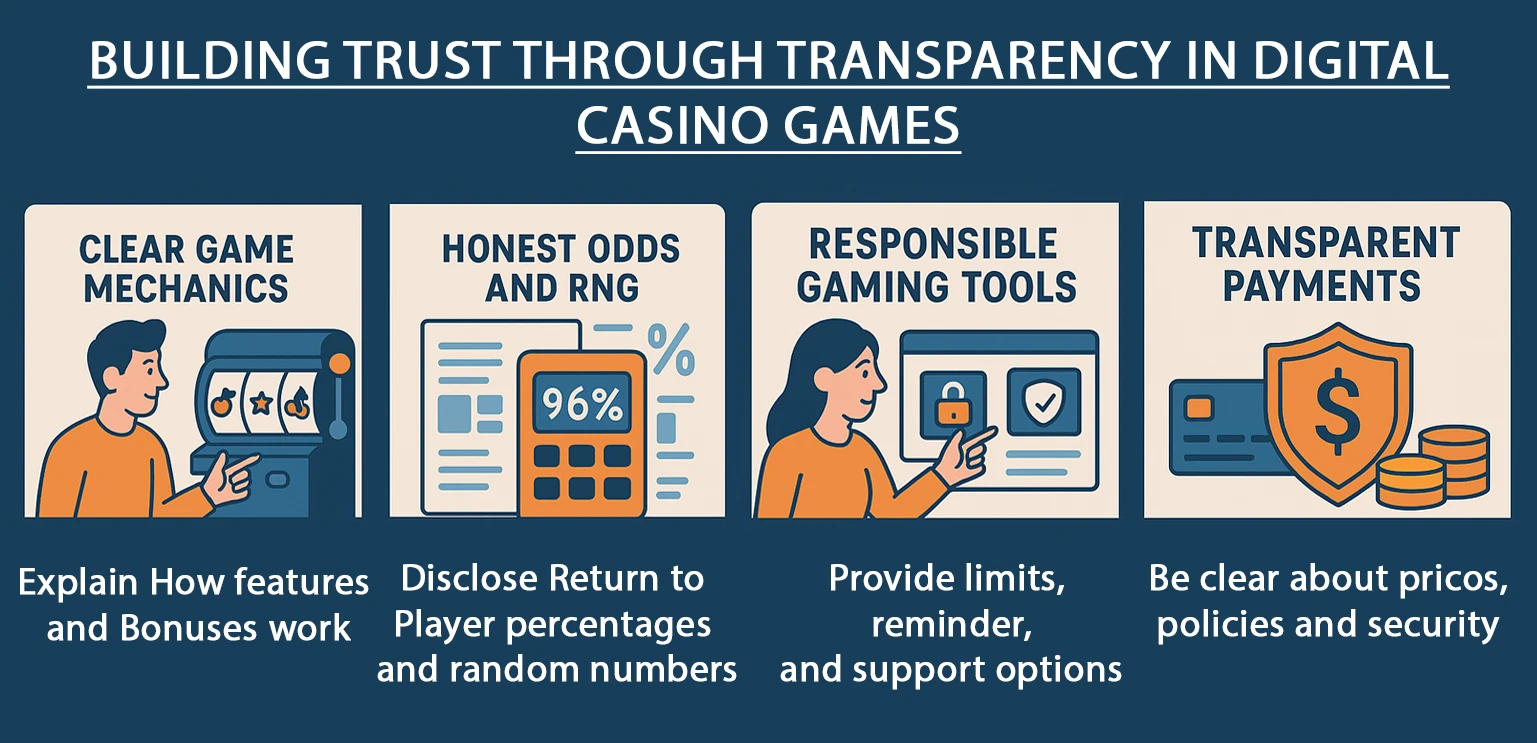
  • Ensure clear terms, fair odds, and easy navigation.
  • Offer VIP programs that reward loyalty without promoting harmful behavior.
  • Protect users with age gating, limits, and visible support options.

Adding social features like live tournaments or community events helps increase retention.


Hybrid Models: Merging F2P and Real Money

Many games now use a blended approach:

  • Start with free coins to lower entry barriers.
  • Add optional real-money features later.
  • Let players earn loyalty points through social play that convert to rewards.

Hybrid systems combine casual engagement with serious monetization options—great for scaling audiences.


Ethical Monetization: GamixLabs’ Approach

We believe monetization should never feel forced. Our strategy includes:

  • Clear pricing and predictable outcomes
  • Optional spending paths
  • Non-intrusive ad experiences
  • Support for player well-being

GamixLabs helps studios find the sweet spot between profit and fair play because a respected player is a returning player.


Conclusion

Each model—Free-to-Play and Real Money—brings its own set of advantages and challenges.
While F2P games are easy to scale and reach wide audiences, real-money formats tend to generate higher earnings per user.
Blending the two can create a balanced monetization strategy.

At GamixLabs, we help developers design monetization that’s honest, player-focused, and future-proof. Whether you’re launching your first game or scaling a global brand, we’ll help you monetize with purpose and integrity.


Frequently Asked Questions

How do Free-to-Play and Real Money casino games differ?

F2P is free and uses virtual coins; real money games involve actual deposits and payouts.

Can Free-to-Play games be profitable?

Yes. With good design and player engagement, F2P titles can generate long-term revenue through IAPs and ads.

Are real-money games legal everywhere?

No. They require licenses and must follow gambling laws that differ by country or region.

What are hybrid games?

Hybrid games start as F2P and introduce real-money elements, blending fun and serious gameplay.

Is it okay to push players to spend?

No. Ethical games give players control and keep spending optional, not manipulative.

Which model is best for new developers?

F2P is more accessible. Real-money games require more setup and compliance but can offer higher returns.

In-depth Analysis of Slot Game Mechanics: From RTP to Hit Frequency

· 4 min read
Author - Gamix Labs

Slot games have attracted gamers for decades, evolving from simple mechanical machines to complex digital experiences. Understanding the mechanics that underlie slot games can improve the enjoyment of players and provide valuable insights to developers. In this article, we delve into the essential aspects of slot game mechanics, focusing specifically on Return to Player (RTP). Hit Frequency, two fundamental elements that define the gaming experience.

In-depth Analysis of Slot Game Mechanics: From RTP to Hit Frequency

What is RTP?

The Return To Player (RTP) is one of the most important metrics for slot machines. It represents the percentage of total wagered money an online slot machine is expected to pay back to players over time. For example, a game with a 96% RTP is expected to theoretically pay back $96 for every $100 bet. It is important to keep in mind that RTP is a long-term prediction and cannot guarantee short-term results.

Importance of RTP

  1. Retention and Attraction of Players: Players look for games with higher RTPs because they are believed to have higher odds of winning over time. Developers and casinos can engage more players with high RTP games.

  2. Regulative Compliance: Many jurisdictions require that slot games comply with certain RTP standards to ensure fair play, making RTP an essential element for legal conformity.

  3. Game Balancing: Developers employ RTP to ensure that games are balanced and not too tight, keeping players engaged without degrading profitability.

Understanding Hit Frequency

Hit Frequency, a crucial element of slot game mechanics , indicates the frequency of winning combinations appearing during play. In contrast to RTP, which focuses on long-term returns, Hit Frequency reveals how often players can expect to win in the short term.

Impact of Hit Frequency

  1. User Experience: A higher Hit Frequency means more frequent wins, resulting in a more engaging and satisfying gaming experience for players. However, the winnings are typically smaller to balance the overall RTP.

  2. Game Variety: By adjusting Hit Frequency, developers can design a variety of game experiences. Some players enjoy frequent smaller wins, while others are thrilled by rare but large jackpots.

  3. Game Strategy: Understanding Hit Frequency can help players choose games that align with their preferences and bankroll strategies. Risk-averse players prefer games with higher Hit Frequencies, while thrill-seekers enjoy lower frequencies with higher chances of big wins.

Balancing RTP and Hit Frequency

The challenge in creating a slot game lies in balancing RTP and Hit Frequency. The right mix of both ensures the game is attractive and sustainable. Here are a few strategies that developers can employ:

  1. Pay Table Design: By meticulously designing the pay table, developers can adjust the payout distribution to make the game enjoyable without altering the RTP.

  2. Bonus Features: Adding bonuses such as multipliers, free spins, and bonus rounds enhances game variety and balances RTP with Hit Frequency.

  3. Random Number Generators (RNGs): Sophisticated RNG algorithms are used to ensure fair and unpredictable results while balancing between regular small wins and occasional big wins.

Conclusion

Understanding and applying the principles of RTP and Hit Frequency are crucial for developing successful slot games. For players, this knowledge enhances the gaming experience and helps them make better decisions. For developers at Gamix Labs, it is the foundation for creating engaging, fair, and enjoyable games that attract and retain players.

At Gamix Labs, we create slot games that balance RTP and Hit Frequency, delivering engaging and rewarding experiences for players. Explore our portfolio to discover an array of meticulously designed slot games, crafted with precision, creativity, and attention to detail.

Mastering Mathematics - Advanced Probability Models for Casino Games

· 4 min read
Author - Gamix Labs

At Gamix Labs, we develop top-tier slot games and offer state-of-the-art quality outsourcing services. One of the most important aspects that distinguish our games is our in-depth knowledge and application of sophisticated probability models. In this article, we'll look at how mastering mathematics, especially advanced probability, improves the gaming experience and increases player engagement in casino games.

The Importance of Probability in Casino Games

Probability is the backbone of games at casinos. It guarantees fairness and fun and keeps players coming back to play more. Understanding probability models can help us create a game that is not just enjoyable but also transparent and fair. This is vital to maintaining the player's trust and satisfaction.

Casino Players Playing Slots

Basic Probability Concepts

Before diving into the advanced models, it's important to know the basics of probability concepts:

  1. Randomness: The outcome of every game is unpredictable and unrelated to the previous results.
  2. Odds: The chance of a particular event occurring is usually expressed as a ratio.
  3. House Edge: A mathematical advantage that the casino has over the player in the long run.

Advanced Probability Models

Here at Gamix Labs, we utilize sophisticated probability models to design exciting as well as fair and fun games. Here are a few of the advanced models that we use:

Markov Chains

Markov Chains are utilized to estimate the probability of changing from one state to the next during games. This model aids in understanding the longer-term behavior of a game, which allows us to create more appealing and balanced gameplay.

A good example is slot games, where each spin represents an individual state. Using a Markov Chain model, developers can predict likely sequences of spins and identify patterns that may emerge during many games.

Monte Carlo Simulations

Monte Carlo simulations can calculate the probabilities of outcomes in events influenced by random variables. This method helps assess both the likelihood and uncertainty of a game’s results.

Example: By simulating thousands of spins, we can analyze the distribution of winnings and losses. This ensures the game’s payout structure is fair, balanced, and enjoyable for players.

Bayesian Networks

Bayesian Networks are used to model the probabilistic relationships between variables. They assist in adjusting the probability of an outcome based on new evidence, which makes them perfect for dynamic game environments .

Example: In a poker game, Bayesian Networks can be used to determine the probabilities of different hands using the cards dealt. This can aid in the creation of AI opponents that can adjust to the player's strategies.

Practical Applications in Game Design

The use of these advanced probability models lets us design more exciting games that are fair and safe for the casino. Here are some real-life applications:

  • Balancing Payouts: Making sure that the payouts are appealing to players while maintaining the profitability of the casino.
  • Enhancing Player Experience: Utilizing probability models to create a game that keeps players interested and entertained for long durations.
  • Detecting Patterns: Identifying and correcting any unintended patterns in the game's outcomes that may affect fairness.

Conclusion

The ability to master math and complex probability models is essential for creating high-quality games. Here at Gamix Labs, our expertise in these areas enables us to develop games that are fair, engaging, and extremely entertaining for players. Through constant refinement of our models and staying on top of new mathematical developments, we make sure that are exciting and reliable.

Contact us today to learn more about our comprehensive game development services. How we can help you maximize your returns in the exciting world of casino game development.

Maya vs Blender: What is the Best Fit for Your 3D Project in 2025

· 5 min read
Author - Gamix Labs

The Decision That Shapes Your Creative Journey

The world of 3D modeling and animation has always been a realm where creativity meets technical expertise. If you’ve ever worked on a 3D project, you know that the software you choose can make or break your workflow.

Picture this: You’re on a tight deadline, and the pressure is mounting. You need a tool that not only gives you the best results but also fits your creative vision. Do you go for Maya, a tried-and-true industry standard, or do you opt for Blender, the powerful open-source tool that has been gaining serious traction?

This decision isn’t easy, especially in 2025 when both offer incredible features. So, what’s the best choice for your 3D project?

Maya vs Blender: What is the Best Fit for Your 3D Project in 2025

A Look at the Evolving Landscape of 3D Tools

In the rapidly evolving world of 3D art and animation, the choice of software can heavily impact the speed, quality, and ease of production.

  • Maya, a part of Autodesk’s suite, has been the preferred choice for high-end studios.
  • Blender, the open-source contender, has grown in popularity among indie developers and hobbyists.

But what about in 2025? The landscape is shifting. With both tools continuously updating and improving, it’s important to know which one is the best fit for your project.

What the Experts Say About Maya vs Blender in 2025

Before jumping into the comparison, it’s essential to take a look at what other industry experts and content creators have said. Many articles focus on broad technical specifications but miss key points like:

  • User experience
  • Community support
  • Long-term project adaptability

Here’s where we step in and fill the gaps:

  • Real-world case studies: How each software has been used in actual 3D projects.
  • Focus on 2025’s features: Zooming in on recent updates that have made a difference for professionals this year.

Maya – The Industry Standard for Large-Scale Productions

Maya has long been the go-to software for professional studios—from large animation houses to AAA game developers.

In 2025, its features are even more robust, with updates in:

  • AI-driven tools
  • Enhanced simulations
  • Better performance and caching
  • Seamless integration with Autodesk tools

Example: In the blockbuster film Avatar 2, Maya’s capabilities were instrumental in creating lifelike environments and characters.

Blender – The Open-Source Powerhouse for Indie Developers

Blender’s rise in popularity is nothing short of remarkable. Once primarily used by hobbyists, it’s now a serious competitor to Maya.

Blender in 2025 offers:

  • Advanced sculpting tools
  • The powerful Reeve real-time rendering engine
  • Frequent updates from an active open-source community
  • Extensive plugin ecosystem

Example: The critically acclaimed animated feature Next Gen was created using Blender—proof that it delivers Hollywood-level results affordably.

Quick Comparison: Maya vs Blender in 2025

FeatureMayaBlender
CostPaid (Subscription)Free and Open-Source
Best ForLarge Studios, VFX, AAA GamesIndie Devs, Solo Artists, Startups
Learning CurveSteepModerate (Lots of tutorials)
IntegrationExcellent (Autodesk Suite)Strong (Community add-ons)
Recent UpdateAI-assisted animation, faster cachingReeve Renderer, procedural modeling

Choosing the Right Tool for Your 3D Project in 2025

So, which one is the right fit?

  • If you’re working with a large team and have a significant budget, Maya might be your go-to.
  • If you’re an indie developer or small studio, Blender could be the perfect choice.

Both tools are capable of delivering world-class results—it comes down to scale, budget, and workflow preferences.

Gamix Labs: Supporting Your Creative Vision

At Gamix Labs, we understand the importance of selecting the right tools for game development and 3D artistry.

  • We help teams make smart software choices
  • We specialize in 3D art, animation, and character creation
  • We support both Maya and Blender pipelines based on client needs

Let’s collaborate to make your next project exceptional.
Contact Gamix Labs →

Final Thoughts: The Future of 3D Art and Animation

Choosing between Maya and Blender ultimately depends on:

  • The scale of your project
  • Your budget
  • Your creative goals

In 2025, both tools are better than ever, and either choice can lead to stunning results. What matters most is finding the tool that aligns with your vision and empowers your team.

Whatever path you choose, the future of 3D art is bright—and Gamix Labs is here to bring your ideas to life.

Best Practices in RNG Implementation for Casino Game Developers

· 4 min read
Author - Gamix Labs

As a casino game developer, implementing the most reliable Random Number Generator (RNG) is vital for the integrity and performance of your games. The RNG is the core of any casino game, guaranteeing fairness and unpredictability, which are crucial for maintaining player trust and satisfaction. At Gamix Labs, we understand the importance of RNG in casino games and have compiled some of the most effective practices to help you implement RNG effectively into your game development process.

Best Practices in RNG Implementation for Casino Game Developers

1. Understand the Basics of RNG

Before diving into the implementation process, it's important to understand what an RNG is and how it works. An RNG is a system that generates a sequence of numbers or symbols that cannot be predicted more accurately than by random chance. In casino games, this means that each spin of a slot, shuffle of a deck, or roll of dice is entirely fair and unpredictable.

2. Choose the Right Type of RNG

There are two major kinds of RNGs: True Random Number Generators (TRNGs) and Pseudo-Random Number Generators (PRNGs).

  • TRNGs: Use a physical process (like electrical noise) to create randomness. They are truly unpredictable.
  • PRNGs: Use mathematical algorithms to generate sequences that approximate randomness. While they aren't truly random, they are sufficient for most casino games due to their speed and efficiency.

For most digital casino games, PRNGs are the preferred choice due to their performance and ease of implementation. For the majority of games played in digital casinos, PRNGs are the most popular option due to their performance and simplicity of implementation.

3. Ensure Strong Seeding Methods

The seed is the initial value used to start an RNG algorithm. A strong, unpredictable seed is crucial to ensure the RNG output cannot be predicted. Use high-entropy sources such as mouse movements, system clocks, or other ambient noise to generate the seed. Regularly update the seed to enhance security further.

4. Use Proven RNG Algorithms

Employ well-tested and widely accepted RNG algorithms to avoid pitfalls. Some of the most trusted algorithms for PRNG include:

  • Mersenne Twister: Known for its long period and speed.
  • Xorshift: Simple, fast, and provides decent randomness.
  • Crypto-Secure RNGs: Essential for high-security applications, ensuring cryptographic security.

5. Regularly Test and Audit Your RNG

Continuous testing and auditing are crucial to ensure the integrity of your RNG. Utilize statistical tests like the Diehard tests, NIST tests, or the TestU01 suite to verify that your RNG produces truly random sequences. Consider third-party audits to validate the integrity and security of your RNG implementation.

6. Check for Compliance with Regulations

Different jurisdictions have varying regulations concerning RNGs in casino games. Ensure that your RNG implementation complies with the legal standards in your target markets. This may include requirements for RNG testing, certification, and reporting.

7. Clear Communication with Players

Transparency is key to building trust and confidence with your players. Provide clear information about your RNG operations and the measures you take to ensure fairness. This information can be included in your game documentation or on help pages on your website.

8. Integrate RNG into Game Mechanics Seamlessly

The RNG should be integrated seamlessly with your game's mechanics to create a smooth gaming experience. Whether it’s determining the outcome of a slot spin, shuffling cards in a poker game, or deciding the roll of dice, the RNG should work harmoniously with your game's logic and flow.

Conclusion

Implementing a robust and reliable RNG is essential for the success of any casino game. By understanding the basics, choosing the right RNG, ensuring strong seeding, using proven algorithms, regularly testing and auditing, complying with regulations, being transparent with players, and integrating RNG with game mechanics, you can provide a fair and engaging gaming experience.

At Gamix Labs, we specialize in developing casino games with top-tier RNG implementations. Explore our portfolio to discover a range of meticulously designed games, crafted with precision and care.

Optimizing Slot Machine Placement: Strategies for Casino Operators

· 3 min read
Author - Gamix Labs

Gamix Labs is a top game development firm that specializes in slot machine development and art outsourcing. Gamix Labs is committed to offering valuable information to casino operators. We provide our expertise in improving the positioning of slot machines to improve the player's engagement and increase revenues. By strategically placing slot machines on the floor, casino operators can create a dynamic and lucrative gaming environment.

Strategies for Casino Operators

Understanding Player Behavior

Before diving into placement strategies, it's crucial to understand player behavior in a casino setting. People are drawn to slot machines because of aspects like theme, jackpot potential, and ease of use. By analyzing the preferences of players and behavior patterns, casino operators can make informed decisions regarding slot machine selection and placement.

Strategies for Strategic Placement

  1. High-Traffic Areas: Positioning slot machines in high-traffic areas, such as entrances or walkways, significantly increases visibility and casual player engagement. Placing machines near popular facilities like bars or restaurants creates prime opportunities to attract visitors seeking entertainment options. These strategic placements maximize machine turnover, improve accessibility, and ultimately boost both casino revenues and player satisfaction.

  2. Theme Clustering: Form groups of slot machines featuring identical themes or jackpots that encourage players to explore and interact. By clustering machines with similar topics, casino operators can boost the gaming experience and increase player retention.

  3. Near Popular Attractions: Put slot machines near the most prominent attractions in the casino, like live entertainment areas, stages, and themed displays. This is a smart way to increase foot traffic and encourage casino players to stay longer in the gaming area.

  4. Analyzing Traffic Flow: Conduct a thorough traffic flow analysis to find the most efficient routes and congestion points on the casino gaming floor. By strategically locating slot machines along natural traffic flow patterns, operators can guarantee maximum exposure and engagement of players.

  5. Player Comfort: Take into account the comfort of the player when deciding on the location of slot machines. Make sure you have enough seats and proper lighting to create a welcoming gaming environment conducive to extended gameplay sessions.

Conclusion

Optimizing slot machine placement is essential for casino operators aiming to maximize revenue while boosting player engagement and satisfaction. By applying strategic placement strategies using player behavior and traffic analysis, casinos can build vibrant and profitable gaming floors. As a trusted partner, Gamix Labs provides slot machine development and insights to help casinos succeed in competitive markets.

Strategies for Developing Multi-Platform Casino Games: Web, Mobile, and Desktop

· 4 min read
Author - Gamix Labs

The casino gaming industry has undergone a major transformation over the last decade due to advancements in technology and evolving consumer habits. We understand the importance of providing an enjoyable gaming experience that is seamless across multiple platforms. In this article, we'll discuss the key strategies for creating multi-platform casino games that run optimally on mobile, web, and desktop and mobile applications.

Strategies for Developing Multi-Platform Casino Games: Web, Mobile, and Desktop

1. Adopt a Unified Development Framework

The most efficient way to create cross-platform games is by using a unified development framework. Tools like Unity and Unreal Engine allow developers to build a single source code base and deploy it across multiple platforms. This approach saves time, reduces costs, and ensures a consistent and seamless gaming experience for players.

Benefits:

  • A streamlined development process.
  • Consistent graphics and gameplay across all platforms.
  • Easy maintenance and updates.

2. Responsive and Adaptive Design

Responsive design is essential for making sure a casino game looks great and performs smoothly on any device. By using an adaptive design strategy, the game can automatically adjust its layout, features, and visuals to match different screen sizes and resolutions, ensuring a seamless player experience.

Key Considerations:

  • Use scalable vector graphics (SVG) to maintain high-quality visuals.
  • Create fluid grids and flexible images.
  • Ensure that UI elements are touch-friendly for mobile devices.

3. Optimized Performance

Optimizing performance is crucial to maintaining players and delivering a smooth and enjoyable gaming experience. This means reducing loading times, minimizing latency, and ensuring stable performance across all platforms.

Optimization Tips:

  • Utilize efficient algorithms and data structures.
  • Optimize asset loading and reduce file sizes.
  • Use caching techniques to speed up repeated visits.

4. Cross-Platform Compatibility Testing

Thorough testing is essential to ensure that your game works perfectly across various platforms. Cross-platform compatibility testing helps identify and fix any issues that arise from differences in operating systems, browsers, or devices.

Testing Strategies:

  • Automated testing to handle repetitive tasks.
  • Manual testing on various devices and browsers.
  • Beta testing with real users to gather feedback.

5. Leveraging Cloud Technology

Cloud technology can greatly enhance the gaming experience across multiple platforms by providing scalable resources and seamless data synchronization. This allows players to access their game progress and information on any device.

Cloud Benefits:

  • Scalable infrastructure to handle high traffic volumes.
  • Real-time data synchronization across platforms.
  • Enhanced security and data protection.

6. Monetization and In-Game Purchases

A well-thought-out monetization strategy is essential for the success of multi-platform casino games. This includes offering in-game purchases, subscriptions, and advertisements tailored to the specific platform.

Monetization Strategies:

  • Use microtransactions for virtual goods.
  • Offer premium subscriptions for exclusive content.
  • Integrate ads in a non-intrusive manner.

7. User Experience and Engagement

Providing a user-friendly experience is key to retaining players. This involves designing compelling gameplay mechanics, rewarding player progress, and fostering a community around your game.

Engagement Tips:

  • Design engaging and rewarding game mechanics.
  • Regularly update the game with new content.
  • Include social features to build a community.

Conclusion

Developing multi-platform casino games requires a methodical approach that leverages the latest technologies and best practices. By adopting a unified development framework, optimizing performance, and ensuring cross-platform compatibility, you can deliver a seamless and enjoyable gaming experience for your players.

At Gamix Labs, we specialize in creating high-quality, multi-platform casino games. Explore our portfolio to discover a range of meticulously designed games, crafted with precision and care.

Gamification & Slot Games: Fun Meets Rewards

· 4 min read
Author - Gamix Labs

In today’s digital age, gaming has evolved beyond just entertainment. It’s now a space where innovation meets psychology, creating experiences that are engaging and rewarding. One of the most fascinating trends shaping this evolution is gamification—the use of game-like elements in non-game contexts—and its profound impact on slot games.

Slot games have always been popular for their simplicity and thrill. But with gamification, these games are reaching new heights, offering players not just the chance to win big but to immerse themselves in an exciting journey. Let’s explore how gamification is reshaping slot games and why it’s blurring the lines between fun and rewards.

Gamification and Slot Games Blurring the Lines Between Fun and Rewards

What is Gamification?

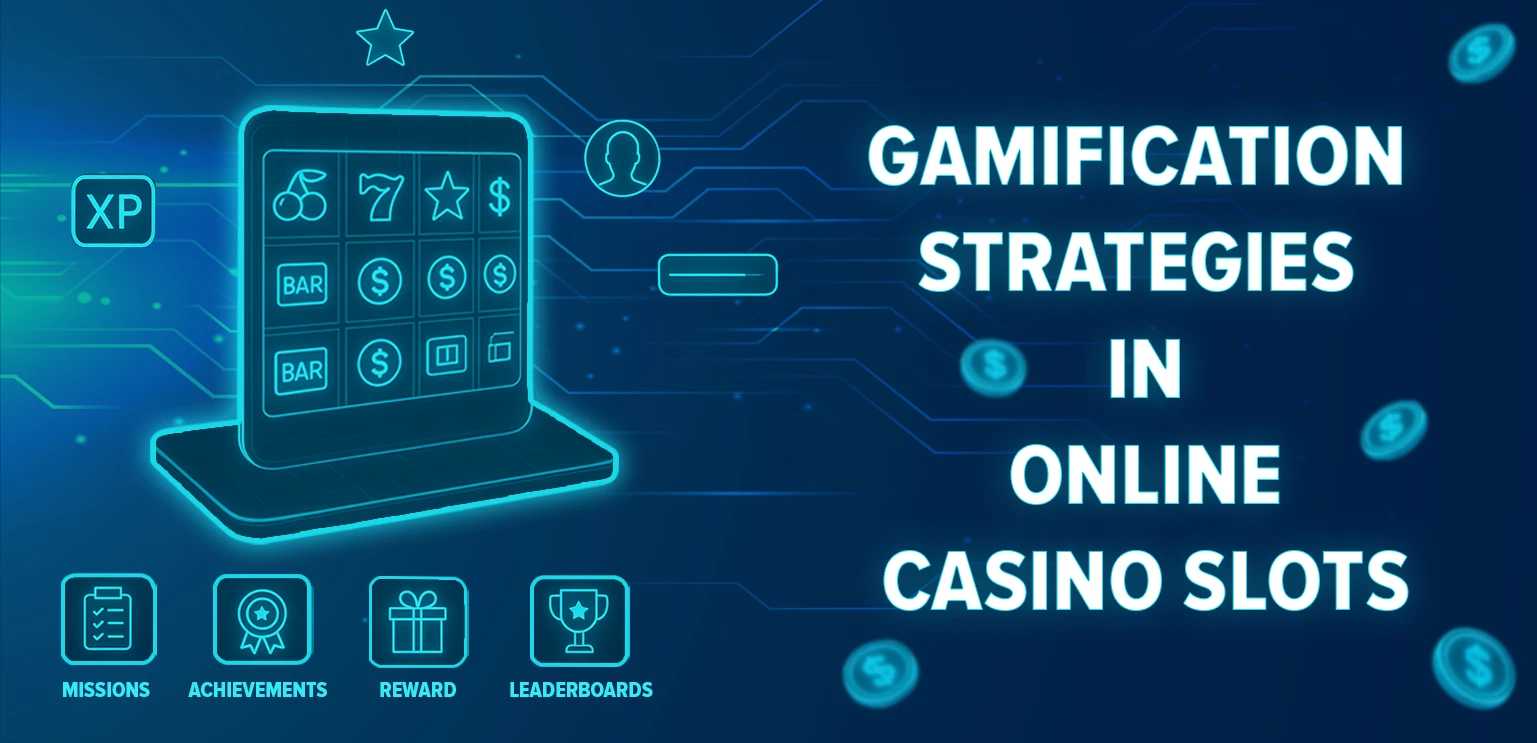
Gamification incorporates game elements like points, levels, challenges, and rewards into activities to enhance engagement. Examples include:

  • Fitness apps motivating daily step goals.
  • Loyalty programs offering badges for purchases.

In slot games, this concept elevates gameplay by enabling players to unlock levels, complete missions, and earn bonuses alongside spinning reels.


How Gamification Enhances Slot Games

  1. Increased Engagement : Gamified slots provide a sense of progress through quests, achievements, and tournaments, keeping players hooked.

  2. Personalized Rewards : Players receive tailored rewards, such as treasure chests or bonus games, adding excitement.

  3. Social Connections : Features like leaderboards, multiplayer modes, and team challenges foster interaction and camaraderie.

  4. Skill Meets Luck : Bonus rounds incorporating puzzles or strategic choices add depth by blending skill with chance.


The Psychology Behind Gamification in Slots

Gamification leverages psychological principles to captivate players:

  • Instant Gratification: Small rewards and visual effects sustain interest.
  • Progression: Completing missions or unlocking levels builds accomplishment.
  • Surprise and Delight: Random rewards create dopamine surges, ensuring positive reinforcement.

The Future of Gamified Slot Games

Innovative technologies are shaping the next wave of gamified slots:

  • Virtual Reality (VR) and Augmented Reality (AR)
    These technologies enable immersive, story-driven experiences in themed worlds.

  • AI and Machine Learning
    Personalized gameplay tailors challenges and rewards to individual preferences.

  • Blockchain Technology
    Transparent rewards and secure in-game economies could introduce unique digital assets like themed slot skins or exclusive bonuses.


Final Thoughts

Gamification is revolutionizing slot games, transforming them into immersive journeys filled with adventure, challenges, and rewards. By blurring the lines between fun and rewards, gamified slot games are setting a new standard in the gaming industry.

At Gamix Labs, a leading slot game development company, we’re passionate about bringing these innovations to life. Our focus on combining creative slot game art with cutting-edge gamification ensures that every game we develop is not just entertaining but unforgettable. Stay tuned for more exciting developments as we continue to push the boundaries of gaming!

What is gamification in slot games?

Gamification adds game-like elements—missions, levels, badges, leaderboards and mini-games—on top of classic slot spins so playing feels like progressing through a journey, not just random reels.

How does gamification make slot games more engaging?

By giving short wins, visible progress, surprises and social hooks, gamification taps into curiosity and achievement. Those small rewards and clear goals keep you coming back and playing longer.

Are gamified slot games still fair and safe?

Yes—the spin outcomes are still driven by RNGs—but responsible design matters. Good operators show clear odds, offer limits/self-exclusion, and avoid tricks that nudge vulnerable players into overspending.

Which technologies power next-gen gamified slots?

VR/AR creates immersive worlds, AI personalizes offers and difficulty, and blockchain can add transparent, tradable rewards. Together they make gamified slots more interactive and tailored to each player.

How do gamification features help players and operators?

Players get more fun, goals, and social play; operators see higher retention, longer sessions, and better monetization. When done well, everyone wins—more fun for you and healthier revenue for the studio.