Game-Changing UX: Why User Experience Is Crucial in 3D Game Development
When you think of a great 3D game, your mind might jump to stunning graphics or an epic storyline. But there’s something just as critical—yet often overlooked—that shapes a player's entire experience: User Experience (UX) design.
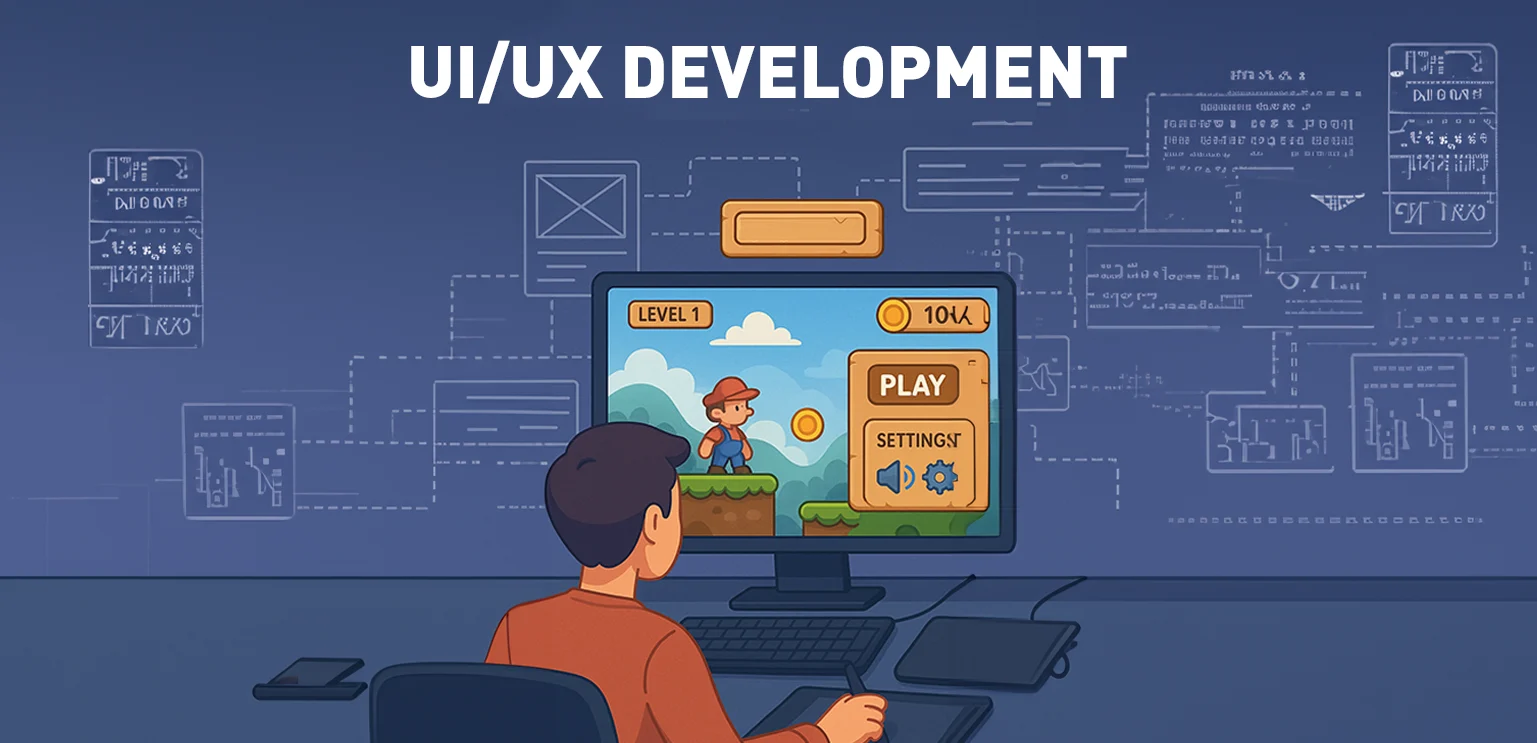
In 3D video game development, UX design isn’t just an add-on—it’s the backbone of a great player experience. It determines how players move through a world, interact with characters, and feel immersed in every moment.
Let’s dive into why UX plays such a powerful role in modern 3D games and how it can make or break a game’s success.
What Is UX Design in Gaming?
In simple terms, UX (User Experience) design is about how a player feels when interacting with a game. It’s the logic, flow, responsiveness, and clarity that guide every player’s action—from the first menu click to the final boss fight.
In 3D games, where worlds are large and gameplay is complex, UX plays a critical role. It bridges the gap between what players see and how they interact, making sure the visuals and game mechanics work together smoothly.
Why UX Matters in 3D Game Development
🔹 Navigation in 3D Space Must Feel Natural
In 2D games, movement usually follows straightforward, flat paths. In contrast, 3D games offer expansive, multi-directional environments filled with depth and complexity. That’s where UX comes in—it guides players through these spaces by:
- Understanding where they are
- Knowing where to go next
- Avoiding feeling lost or overwhelmed
Smooth camera transitions, intuitive movement controls, and smart level layouts all stem from solid UX planning.
🔹 First Impressions Are Everything
Players decide within minutes if they’ll keep playing. A cluttered interface, confusing controls, or slow tutorials can push them away fast. With thoughtful UX:
- Tutorials become engaging, not annoying
- UI feels familiar, even if the game world is brand-new
- The learning curve becomes smooth and satisfying
🔹 Immersion Depends on User Experience
Immersion isn’t just about visuals—it’s about feeling present. Great UX supports this by:
- Avoiding intrusive menus or clunky transitions
- Keeping the HUD (Heads-Up Display) informative but minimal
- Delivering feedback clearly when players interact with the world
🔹 Accessibility and Inclusivity
Not all players have the same abilities or preferences. UX design makes games more inclusive by:
- Offering customizable controls and difficulty
- Ensuring visual clarity for colorblind players
- Supporting controller, keyboard, and mobile inputs fluidly
This widens your game’s reach and builds a loyal player base.
Why UX Designers Are Essential in Game Development Teams
UX designers are the bridge between developers, artists, and players.
Their tasks often include:
- Creating wireframes and prototypes for menus, HUDs, and gameplay screens
- Testing user journeys to remove friction
- Working alongside game designers to enhance level progression and player interactions
In 3D games, they also work closely with camera designers, animators, and UI/UX artists to ensure a seamless visual and interactive experience.
How UX and Game Art Work Together
Game art makes players stop and stare, but UX ensures they know what to do next.
For example:
- A beautifully designed 3D world needs clear visual cues to guide players
- A detailed character design deserves a clean and intuitive inventory system that makes equipping gear quick and effortless
- A detailed environment should still let players spot enemies, objectives, and intractable objects with ease
At Gamix Labs, we specialize in both sides of the coin—game art that stuns and UX support that keeps players engaged.
Designed for Players: How UX Shapes Every 3D Game Art Project at Gamix Labs
While our primary focus is game art outsourcing, we understand that visuals are only half the experience. That’s why we collaborate closely with developers, UX strategists, and game designers to ensure that every visual element we create serves a purpose—enhancing player interaction and enjoyment.
Whether it's UI design, in-game assets, or environment art, our work is tailored to fit smoothly into the player journey.
Final Thoughts
Great 3D games aren’t just about how they look—they’re about how they feel to play. UX design ensures that the experience feels natural, seamless, and truly memorable. In a competitive industry, it’s often the deciding factor between a one-time player and a lifelong fan.
FAQs
Why is user experience (UX) important in 3D game development?
UX is essential in 3D game development because it directly affects how players interact with the game world. A well-designed UX ensures smooth navigation, clear objectives, and intuitive controls, making the gameplay more engaging and enjoyable.
How does UX design improve player immersion in 3D games?
UX design enhances immersion by minimizing distractions such as confusing menus or unclear feedback. It ensures that interactions feel natural, the interface stays unobtrusive, and players remain focused on the game environment.
What role does UX play in 3D game navigation and controls?
In 3D environments, UX helps players move and interact effortlessly. It guides camera behavior, character movement, and level design so players always understand their position and objectives without feeling disoriented.
How can UX design make 3D games more accessible to players?
UX design improves accessibility by offering customizable controls, adjustable difficulty levels, and visual clarity features. These elements help accommodate players with different abilities and preferences, making the game more inclusive.
How do UX designers contribute to 3D game development teams?
UX designers focus on optimizing the player journey. They create prototypes, refine interfaces, and test gameplay interactions to remove friction. Their work ensures that the game is both visually appealing and easy to use.